


Our World Was About To Change
When Carol and I visited Setenil and Ronda in December 2019, we had no idea that they would be the last places that we would be able to travel to for a considerable amount of time. COVID-19 was probably making its first unwelcome appearance in Wuhan as we were exploring these picturesque towns in the south of Spain, but we were oblivious to what the following months would bring.
Our trip, via Torremolinos and Malaga, was originally scheduled for October but we had to cancel due to my father-in-law requiring major surgery. I am pleased to say that the operation was a success and our holiday was even better than I had expected. This highlights how life can change so quickly, and that we should be grateful for our health and happiness. There will be brighter days ahead, just like there have been since Bert’s spell in hospital.
Setenil and Ronda are beautiful but they are exposed to the elements, so it can get extremely cold. It is a good job that my wife was sensible enough to make me take my jacket with us! Other hapless tourists that we saw wandering through the towns had clearly been as foolish as I was, but they must not have been fortunate enough to have a partner who was able to talk some sense into them.
Setenil de las Bodegas
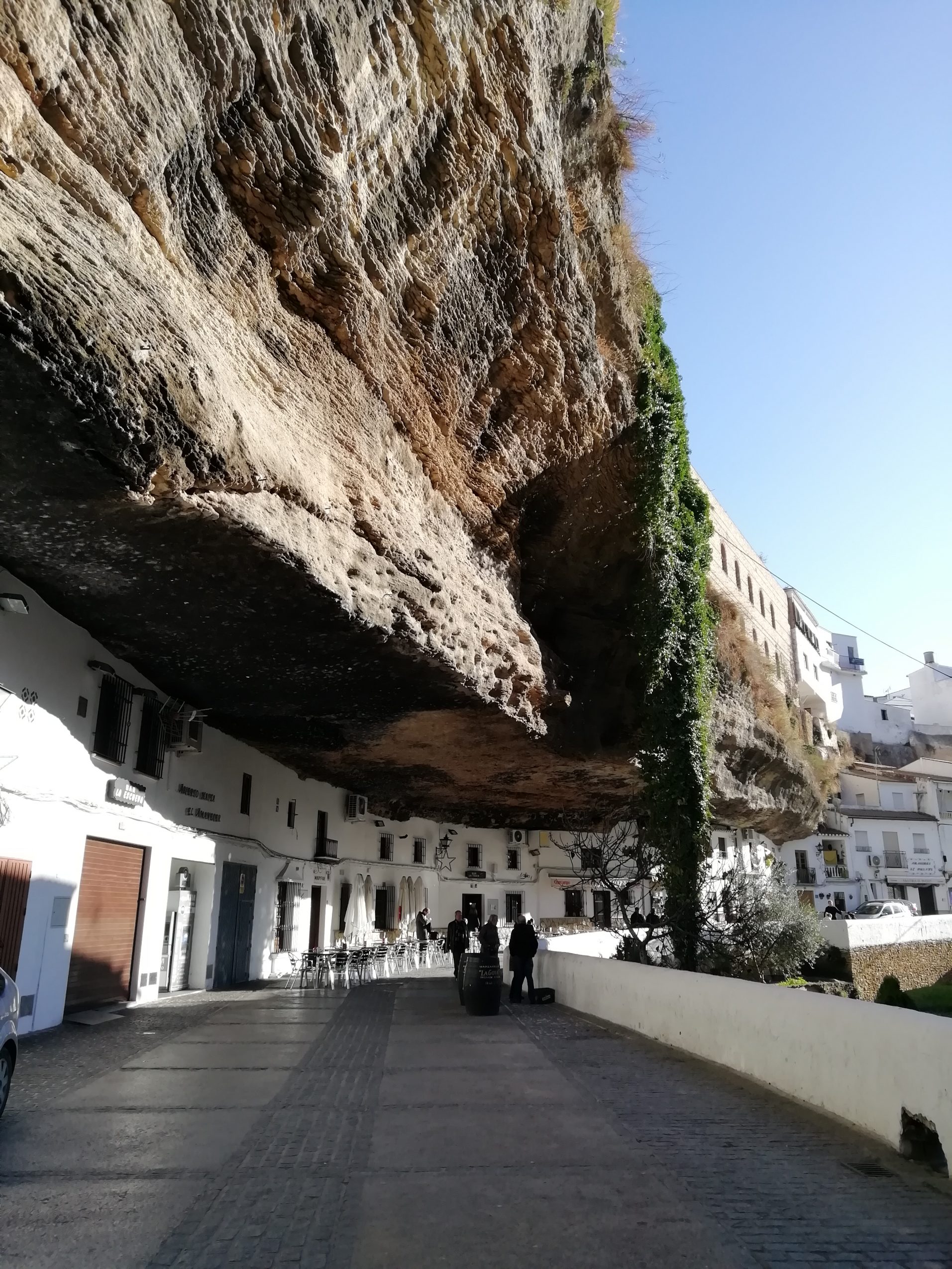
Setenil differs from the other pueblos blancos, or white villages, within Andalucia. The whitewashed buildings of this characteristic town are built into the network of caves and rock formations, which results in the dramatic appearance of the houses and restaurants.
Most tourists seemed to be having a drink or a bite to eat outside the most unique and aesthetically pleasing establishment, which had its tables and chairs positioned underneath a rocky overhang. I imagine its popularity was based on its setting rather than its menu. To be fair, we would have stopped by for a drink if we had more time.
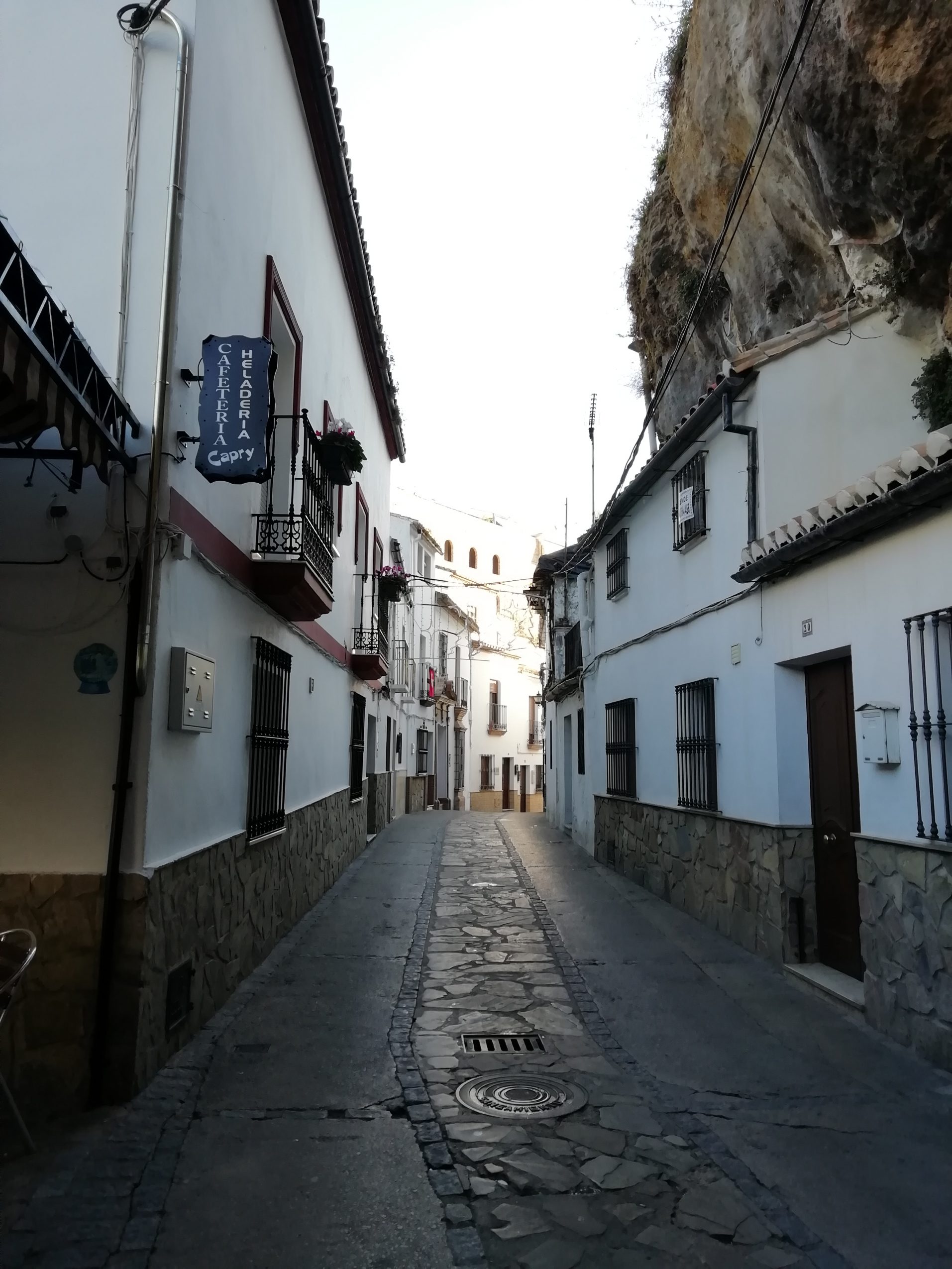
Instead, Carol and I enjoyed a brief stroll through the narrow streets, whilst taking photographs at every opportunity. There is not much to do in Setenil but it is a unique and beautiful place that is worth visiting if you are in the area.
Ronda
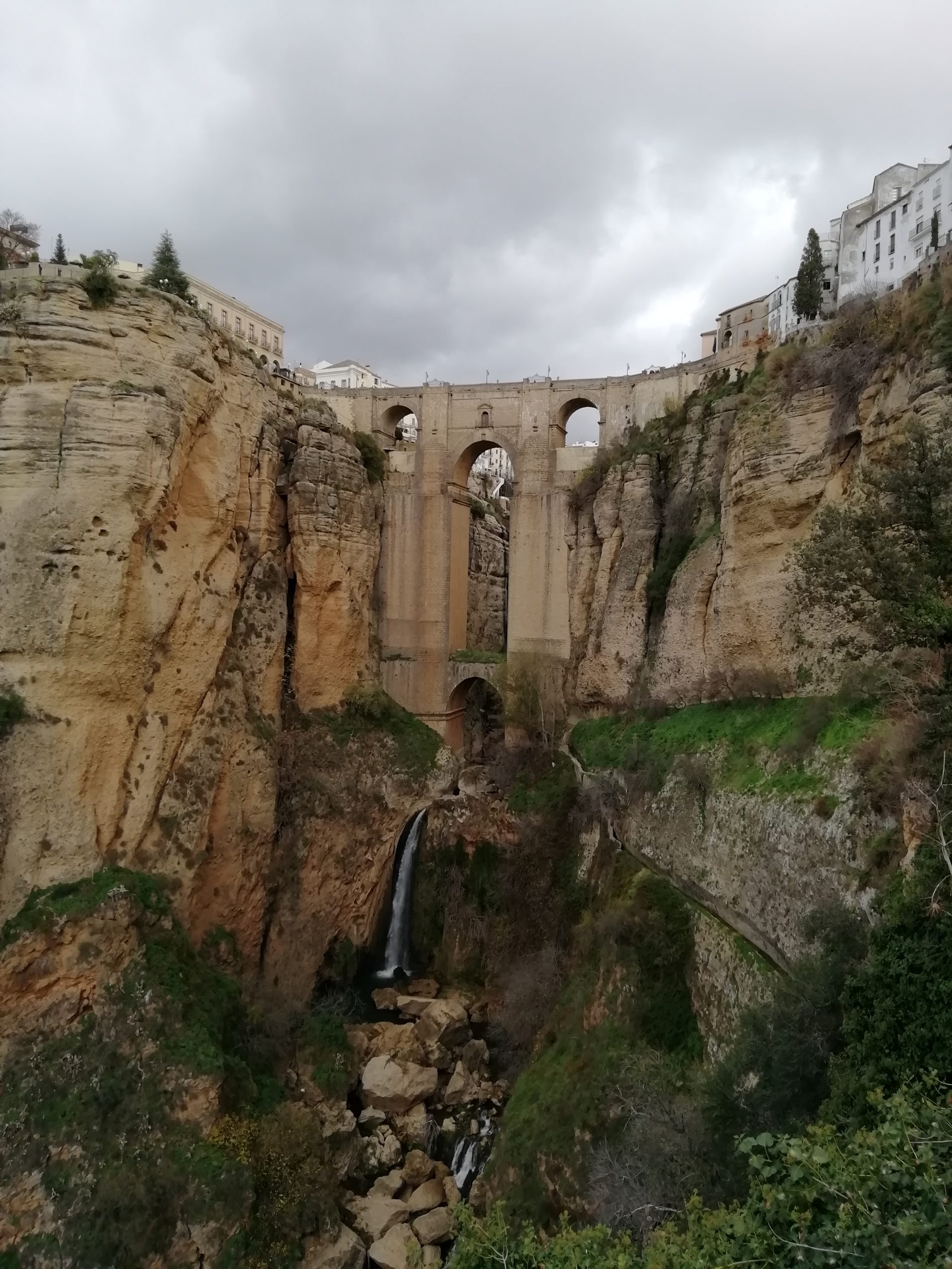
Ronda is the third most-visited destination in southern Spain, with most people travelling here to see the oldest bullfighting ring in the country and the Puente Nuevo. The latter is a dramatic eighteenth century bridge which spans El Tajo gorge, and the Guadalevín River below, that divides the town.
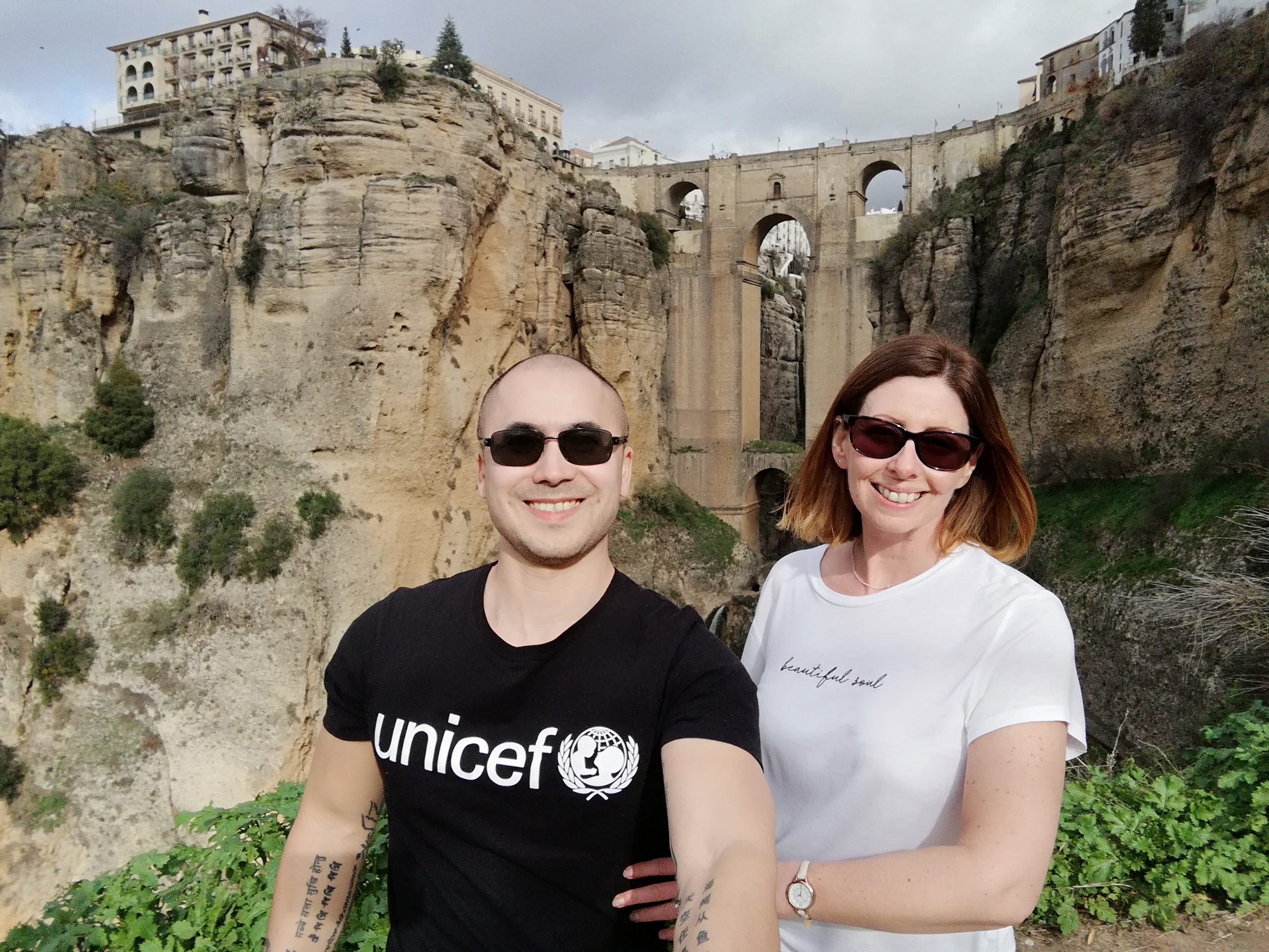
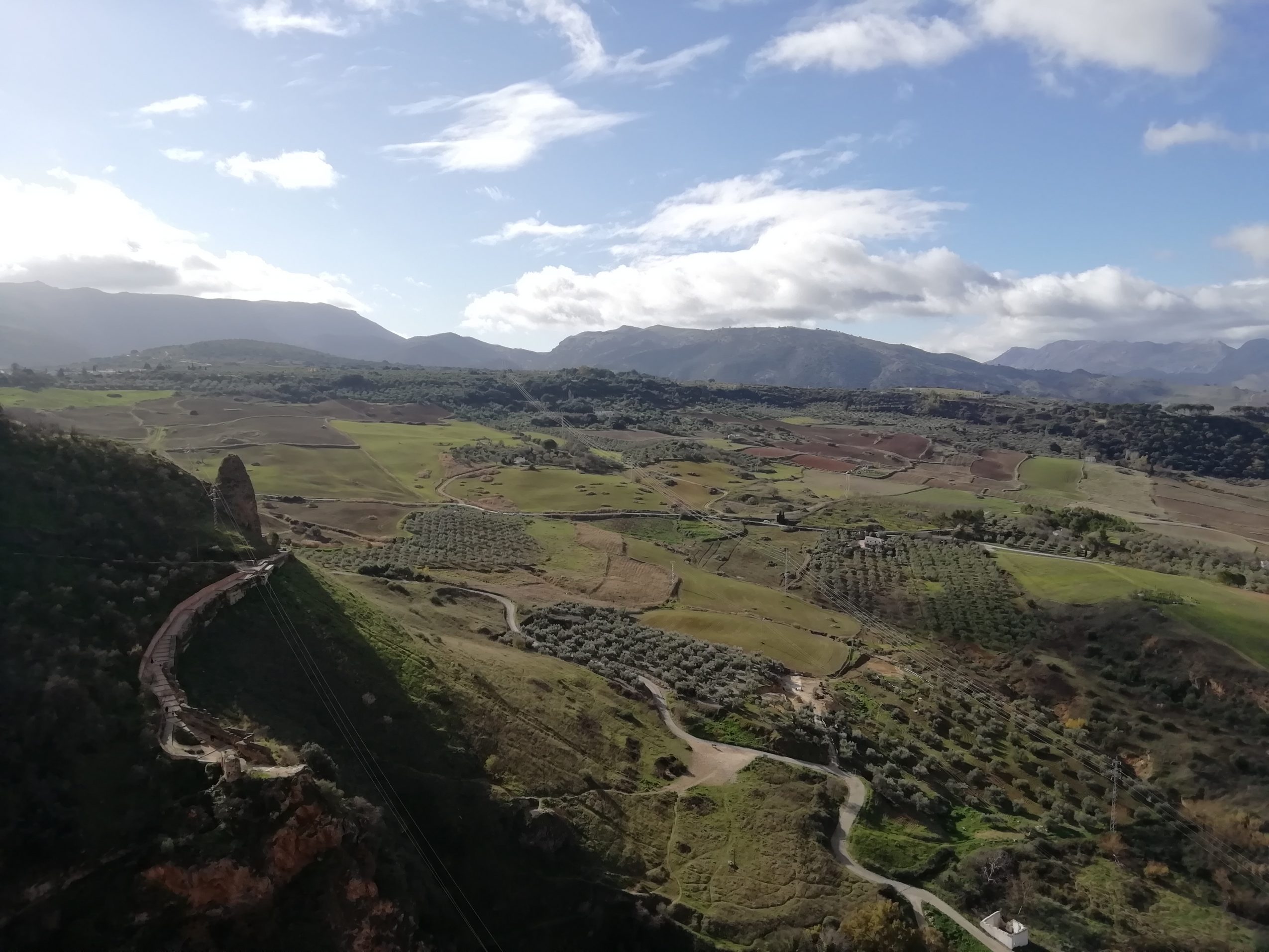
The bridge was the highlight of our visit but we had to expend some energy in order to obtain the best view of it. We bought some cheap coffee to keep us warm whilst we attempted to find the place in which it was possible to descend the gorge. The cutting wind and low temperature was more difficult to contend with than the walk itself, but we were still relieved to reach the spot from which all of the photographs that we had seen on Instagram had been taken from.
Despite the cold weather and gloomy skies, we removed our jackets and kept our sunglasses on. In order to ensure that we could make our friends back in the United Kingdom envious of our excursion, we needed to at least make it appear that we were basking in the Andalusian sun.
Carol made a suggestion: “Maybe I can apply some filters and make the sky seem brighter. That way, people will be jealous of the photos I put on Facebook!”
“We may not have been blessed with great weather but we can at least make our photographs look as nice as possible,” I conceded.
We were left in awe by the sight of the Puente Nuevo connecting the land which is situated above the one hundred and twenty-metre-deep gorge. Nature invariably provides the most breathtaking sights on Earth, but this is an example in which mankind has managed to add to its beauty. Humans had managed to build their settlements, and this bridge, above the gorge which had been created by the sheer force of nature.
I was interested to learn that there is a chamber above the central arch, which has been used for a variety of grim purposes throughout the years. Apparently, it was used as a prison and a torture chamber during the Spanish Civil War. Some unfortunate prisoners are said to have been thrown out of the chamber to the bottom of the gorge.
Despite our disapproval of bullfighting, we enjoyed out visit to Plaza de Toros de Ronda. The eighteenth-century bullring may not be the biggest but it is one of the most important historical sites in the region. I have a keen interest in history, so I am fascinated by places which hold cultural significance. A large festival, the Feria Goyesca, is held once a year to honour these traditions.
Carol posed as a bull for photographs, but I imagine that she will be pleased to hear that I was not convinced that she could be mistaken for cattle. The arena was pleasing on the eye, especially as there was no sign of any gruesome action taking place. Incidentally, the actual bullring is the largest in Spain, despite the relatively small spectator capacity.
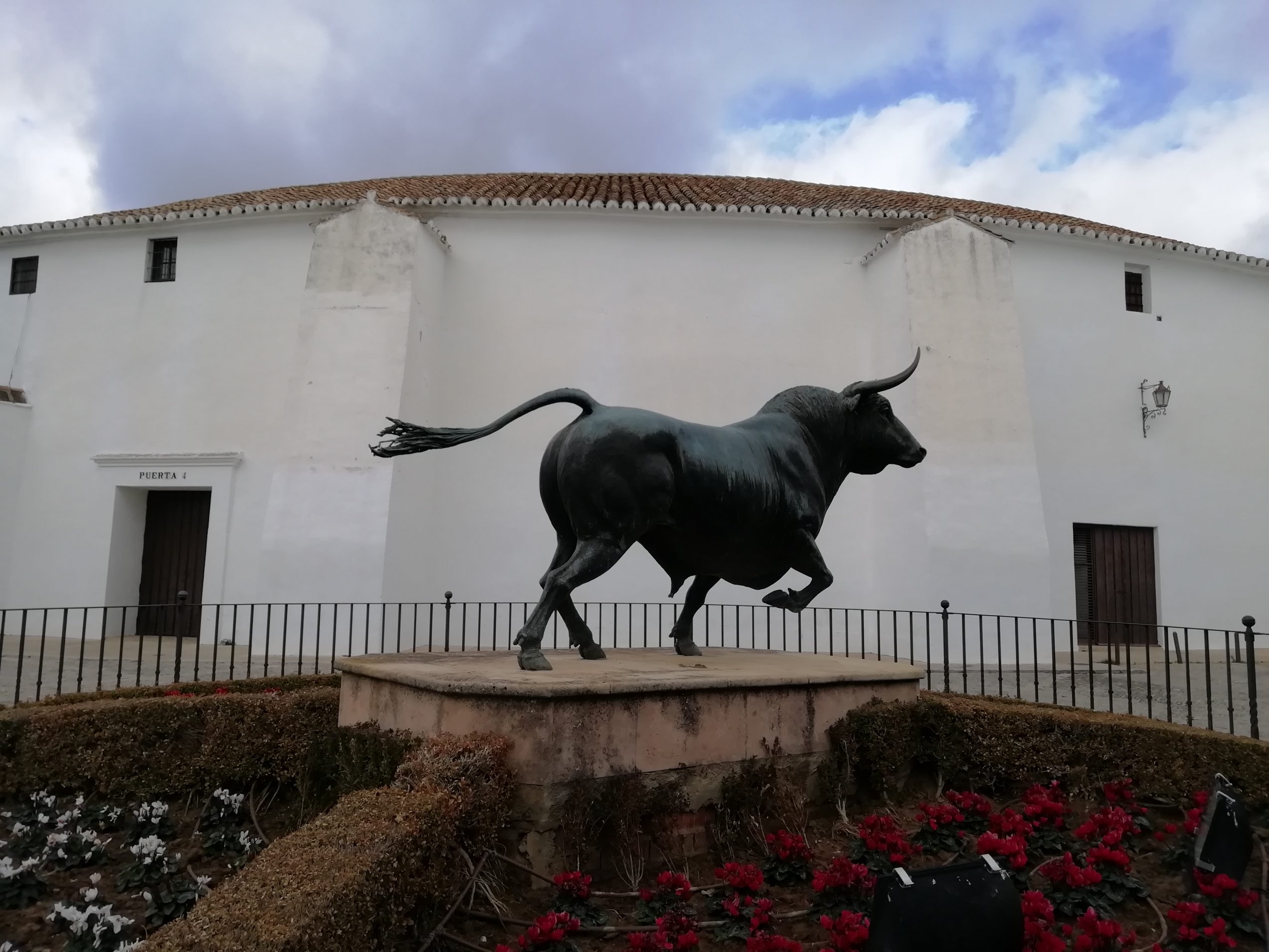
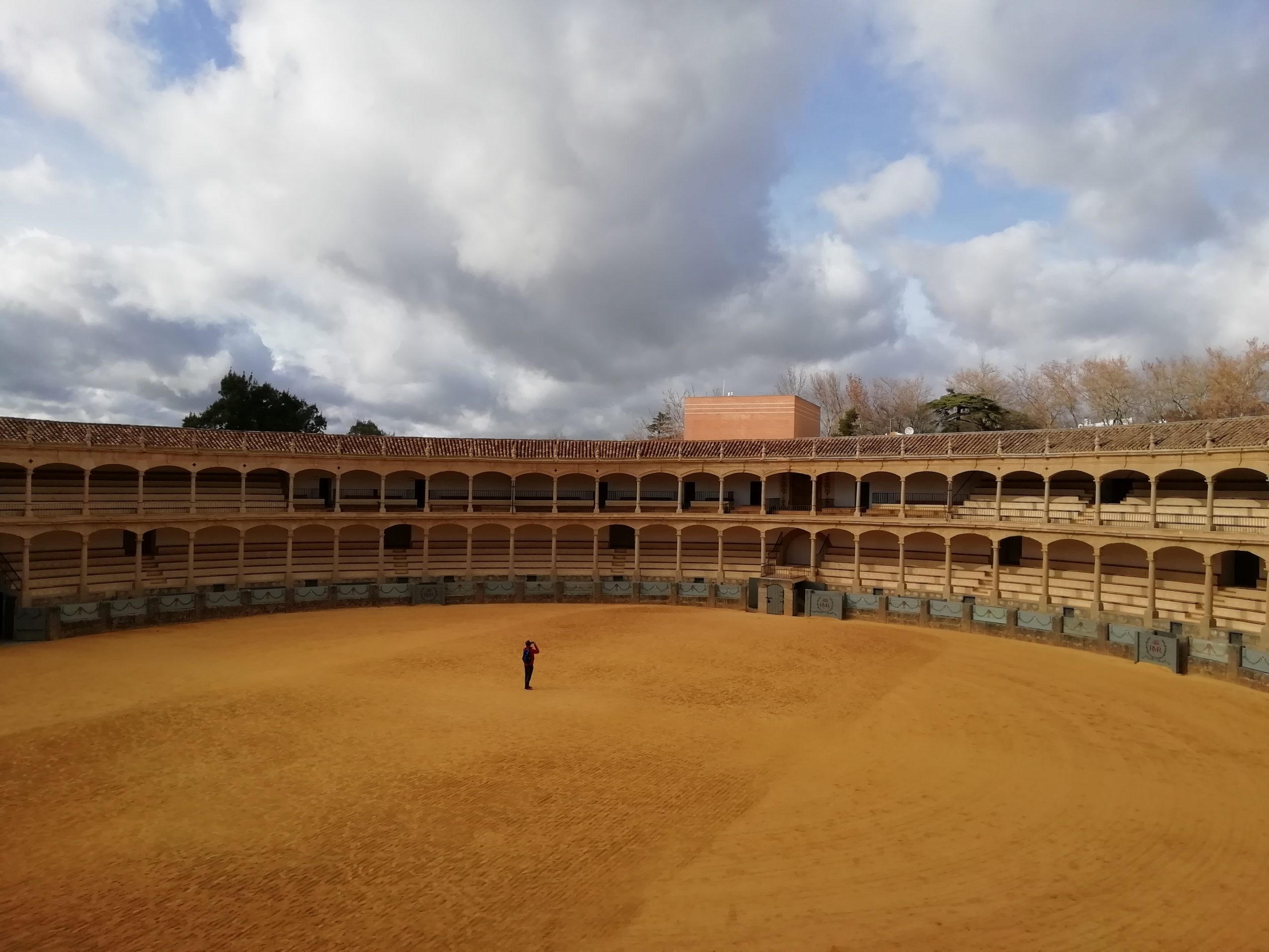
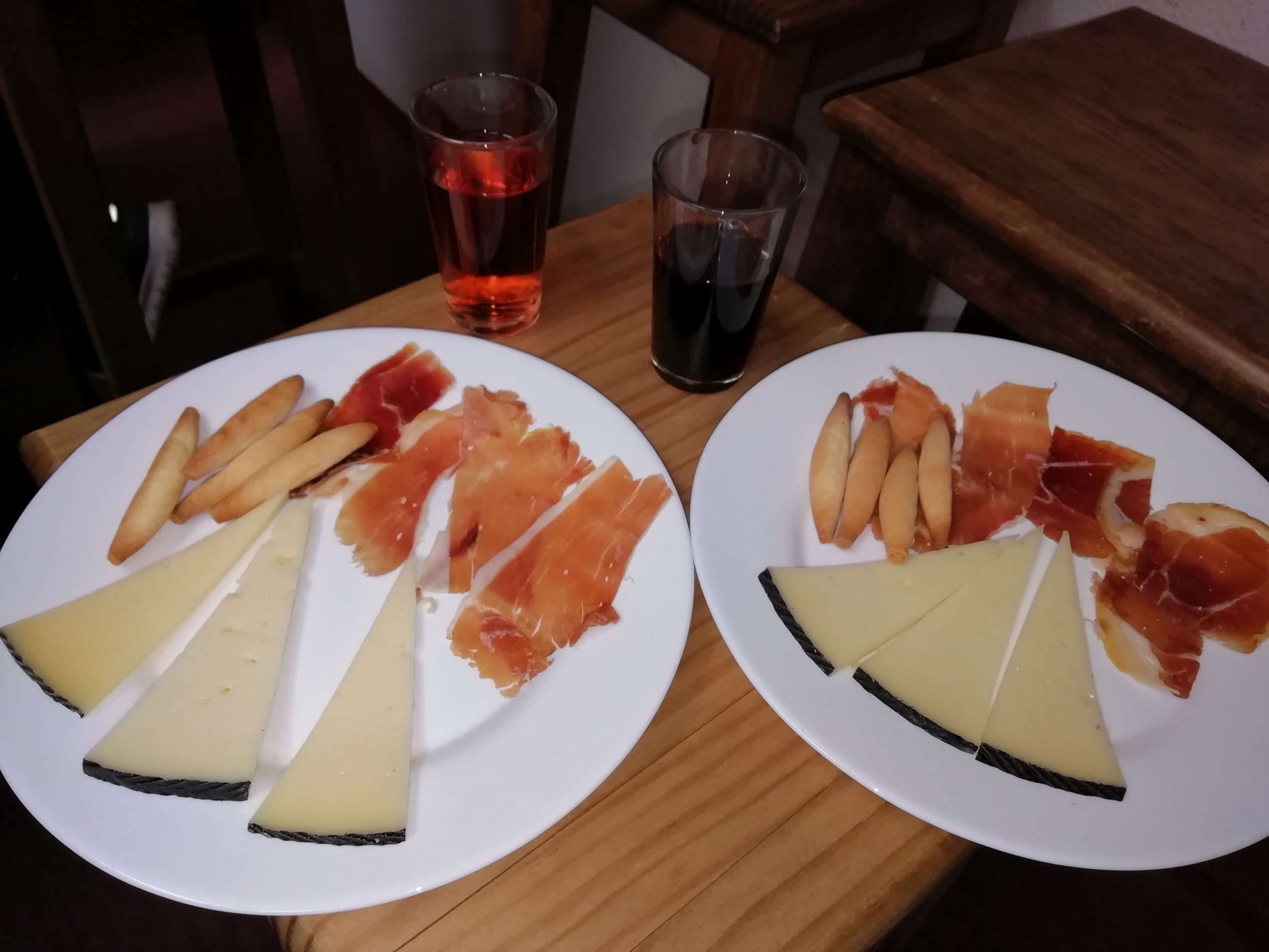
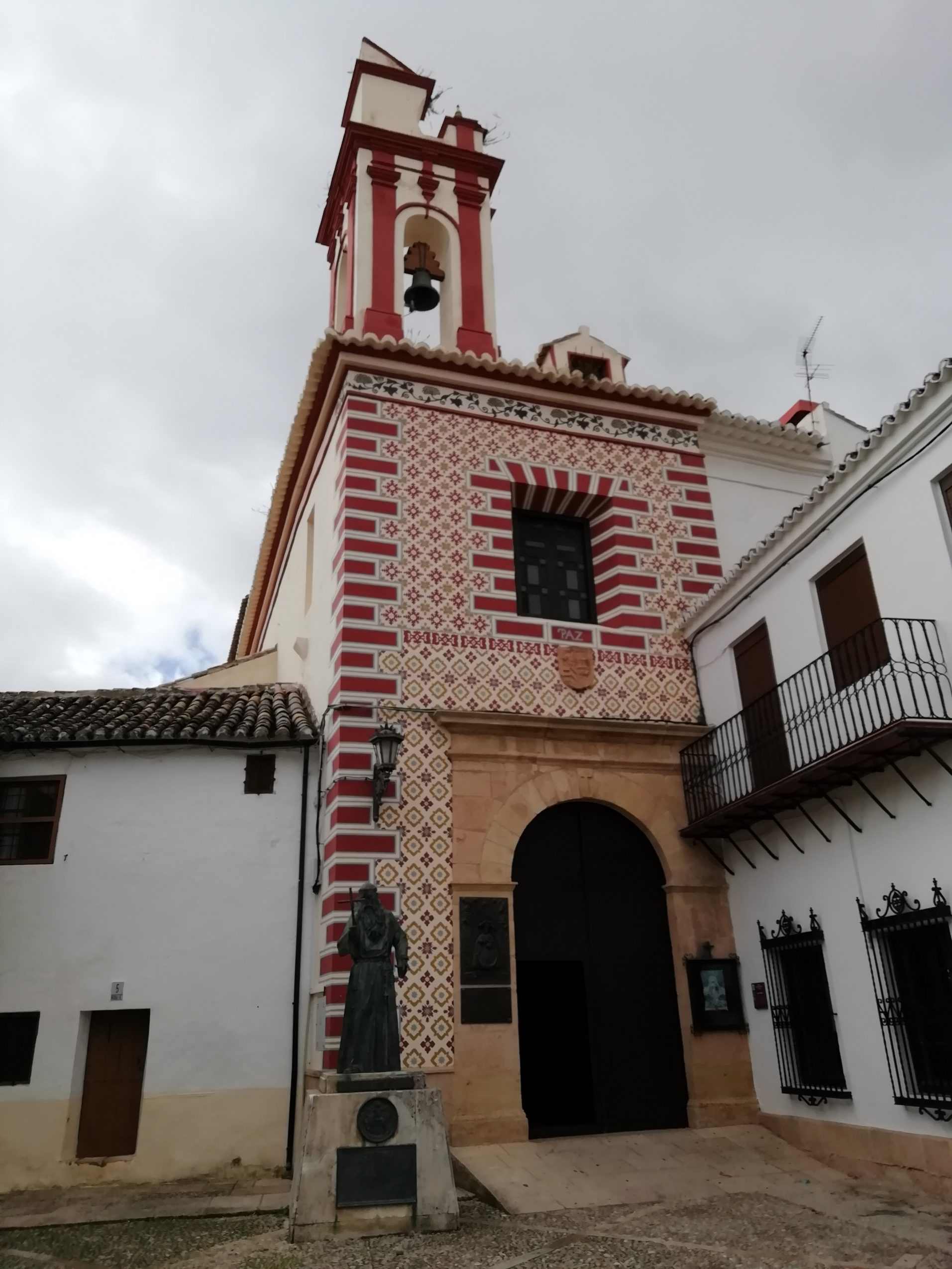
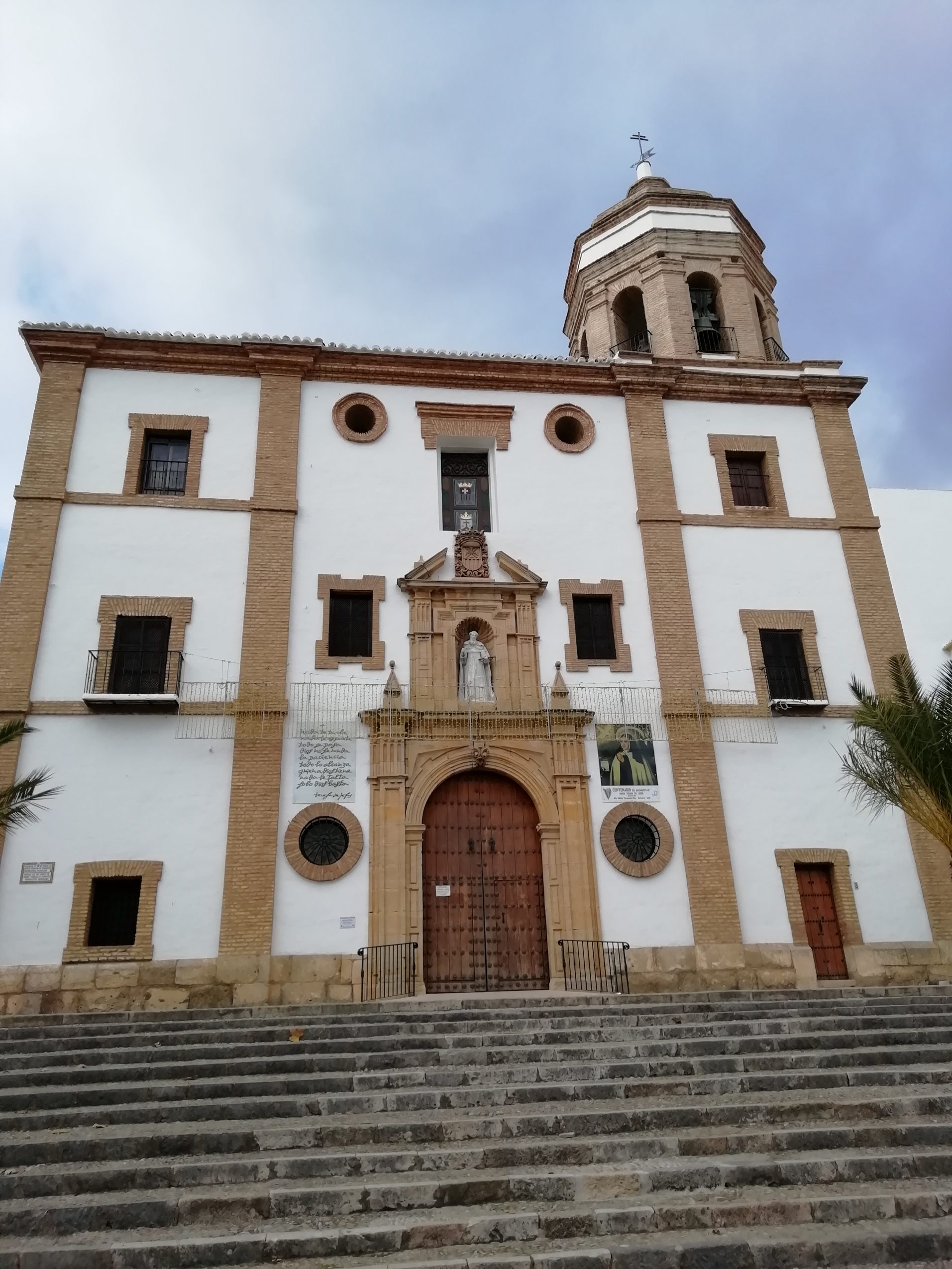
There is more to Ronda than the bridge and the bullring. We admired the exterior and interior of the architecturally impressive churches, and we enjoyed strolling around the quaint old town. Most of all, we liked the tapas! We just wish that we had more time to explore the town and sample the delicious food.
As I said earlier, we have to appreciate the things that we have been blessed with. Our health, our family and our happiness should be cherished. Travelling may not be an option right now, but I am fortunate to have created many memories whilst exploring the world around me. At least I can reminisce about past adventures whilst the planet, and the people within it, takes some time to heal.
0 Comments