


The Importance Of Preserving History, Even If It Makes Us Feel Uncomfortable
As a student of history, my trip to Berlin in 2010 was fascinating and harrowing in equal measure. I was struck by how the uncomfortable aspects of the country’s history were on display wherever I looked. The preservation of the city’s remnants of war is an example of how Germany has faced up to its problems of the past rather than sweeping them under the carpet. There is a real determination to keep this dark chapter of the country’s history at the forefront of the population’s consciousness, so that the mistakes of the past are never repeated. This seems more important than ever with the increase in far-right nationalism around the world in recent years.
I cannot help but feel that my home country could learn from this. Some of the more sinister elements of British history, such as its role in the slave trade or the colonisation of millions across the British Empire, are barely acknowledged and sometimes even glorified.
The Berlin Wall
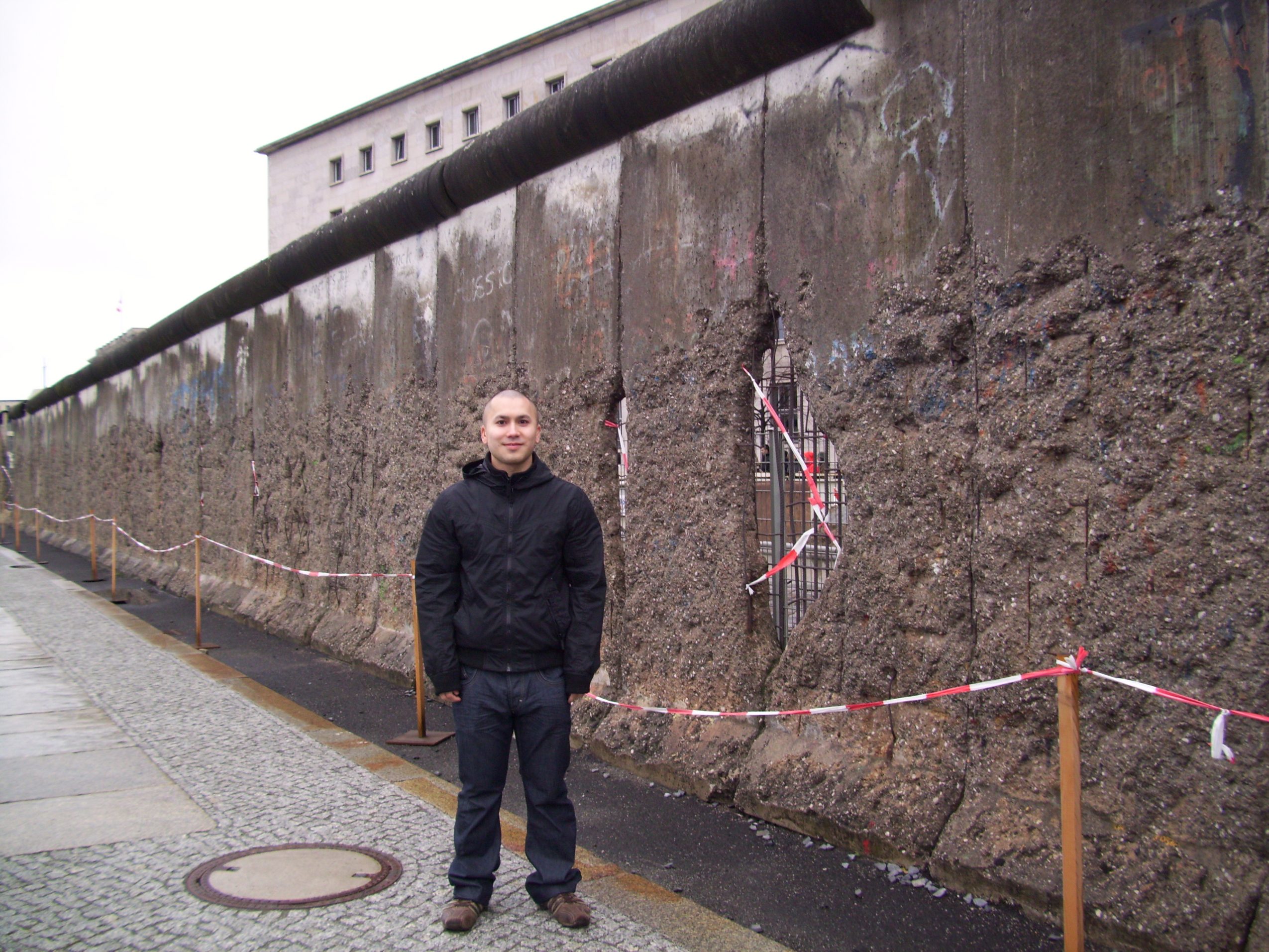
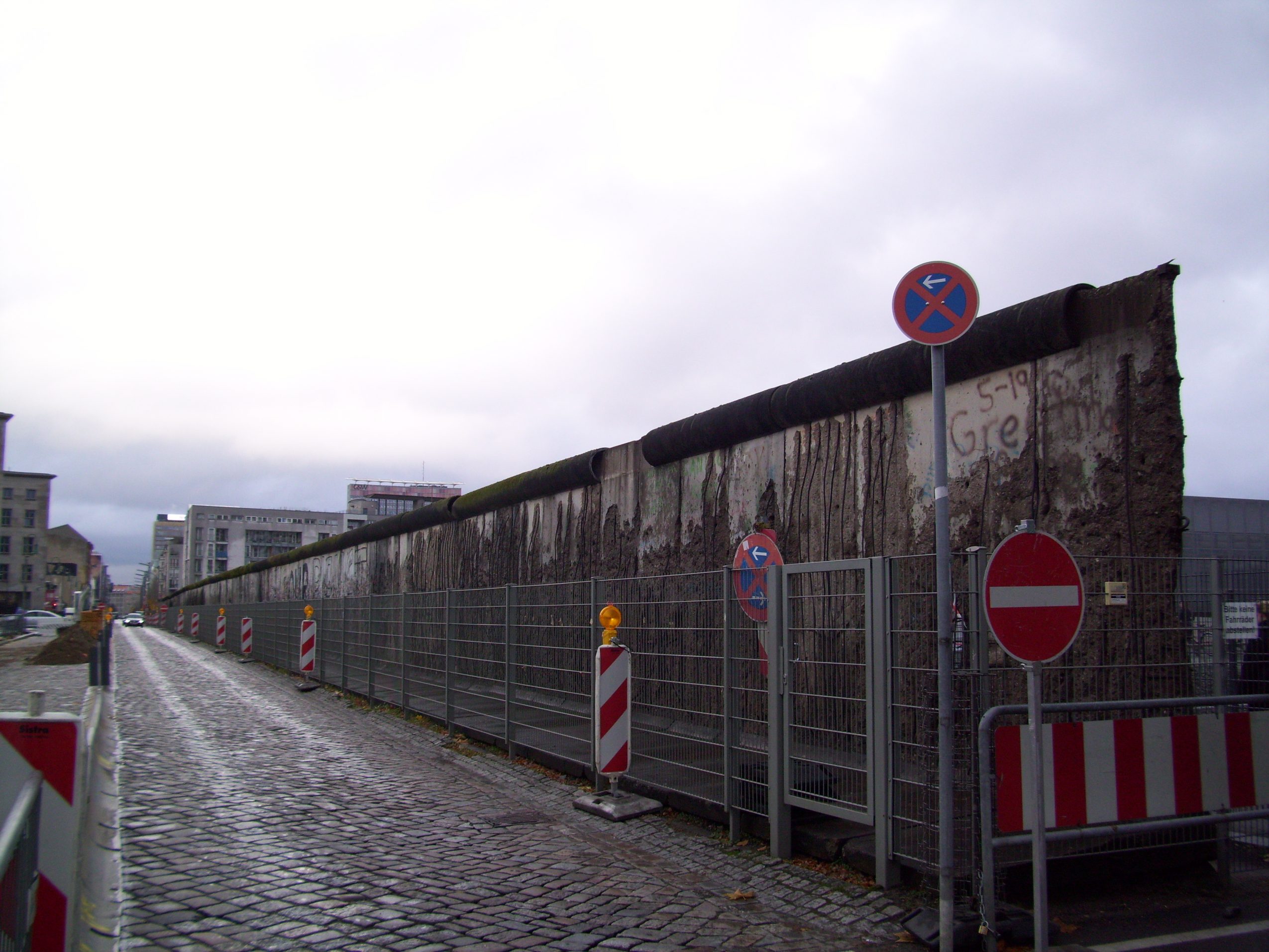
I began my first day in Berlin at a structure which was imposed upon the city’s population following the war, rather than something which was the direct result of Nazi rule. I am referring to a preserved section of the Berlin Wall on Niederkirchnerstrasse.
Most of the wall was removed, by one form or another, following the East German government’s announcement in November 1989 that all of its citizens were now free to visit West Berlin, and West Germany in general. Most citizens were eager to tear down the wall as soon as possible and erase any trace of the barrier that had brought such misery and hardship to their lives.
However, the re-unified nation eventually decided that various sections should be preserved, in order to highlight the grim consequences of war and division. I certainly felt the significance of the wall as I inspected it from close quarters. As much as I had read about it during my university studies, being in the shadow of this imposing structure gave me an understanding of its nature that could not be experienced through reading a book.
The wall was fenced off, in order to stop people from chipping off pieces of the wall to take away as souvenirs. I could not help but feel amused by the irony of people being kept away from the Berlin Wall by another structure that is designed to segregate.
The section that I was stood in front of was around two hundred metres long, but the total length of the wall around West Berlin was a staggering one hundred and fifty five kilometres. I took the opportunity to learn more about the Berlin Wall at the Topography of Terror. There were numerous displays providing information about life within a city that was divided, both physically and ideologically, from 1961 until 1989.
During the years preceding the erection of the wall, at least three and a half million people defected to the West via Berlin, taking advantage of the easiest place to cross within divided Germany. Worryingly for the East, many of the defectors were young academic men of a working age, which created what is often referred to as a ‘brain drain.’ The construction of the wall was an attempt to stop this stream of defectors.
Dubious Democracy, The Brandenburg Gate And 'Checkpoint Charlie'
The East German government, known as the German Democratic Republic, officially referred to the Berlin Wall as the ‘Antifaschistischer Schutzwall,’ which translates as the ‘Anti-Fascist Protection Rampart.’ Every part of the previous sentence seems ridiculous. ‘Anti-Fascist’ is hardly a phrase that many would associate with the Berlin Wall. The propaganda machine was in full swing.
Even the name of the East German government used a common form of misdirection. Whenever a government or country refers to itself as a ‘Democratic Republic’ or a ‘People’s Republic,’ my first thought is that those places must be anything but democratic.
It really hit home that this terrible symbol of division was in operation during the early years of my life. It is difficult to imagine being separated from one side of your own city, including family members, by a three-and-a-half metre-high concrete structure that was present for nearly thirty years.
The information boards beside the wall did not mention that British Prime Minister Margaret Thatcher disagreed with the majority of world leaders, as she strongly opposed the removal of the Berlin Wall.
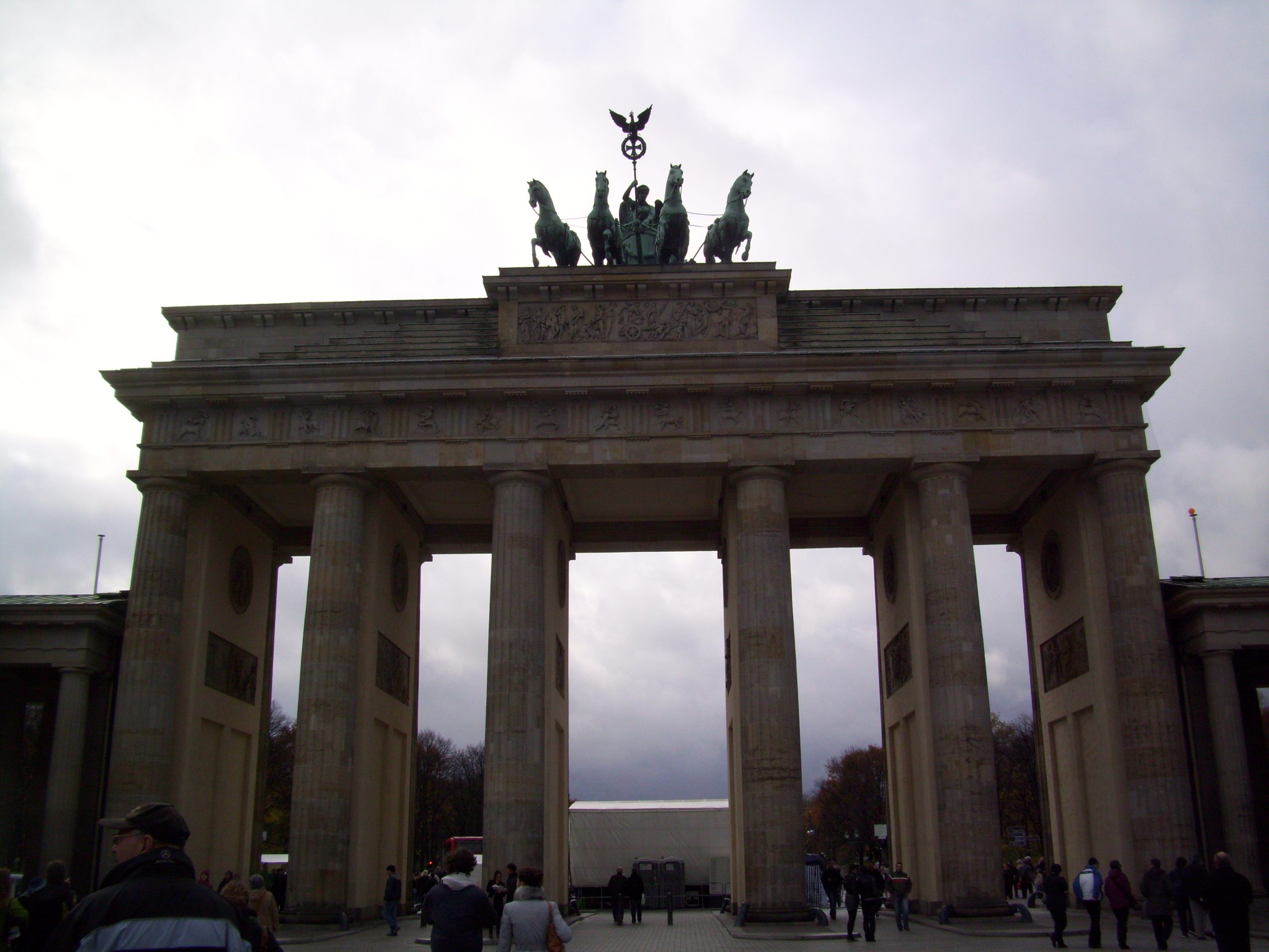
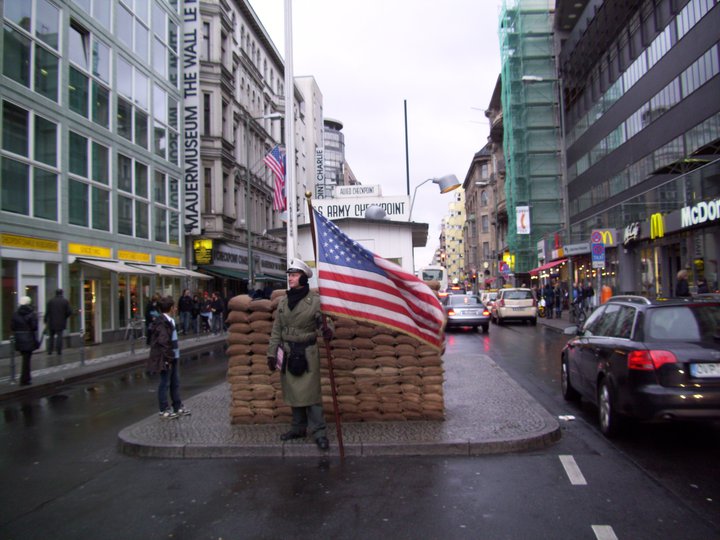
I also visited a couple of the notable locations where the Berlin Wall once stood; the Brandenburg Gate and ‘Checkpoint Charlie.’ Incidentally, the East German authorities referred to the latter as ‘Grenzübergangsstelle,’ which translates as the imaginatively titled ‘Border Crossing Point.’
I noticed a plaque at the site where ‘Checkpoint Charlie’ was once situated. It detailed the confrontation between American and Soviet tanks that had occurred here shortly after the wall’s construction in 1961. Reading this conjured up a rather frightening image of opposing armoured vehicles pointing their considerable weaponry towards each other for almost a week on the very street that I was now standing on.
The Memorial To The Murdered Jews of Europe
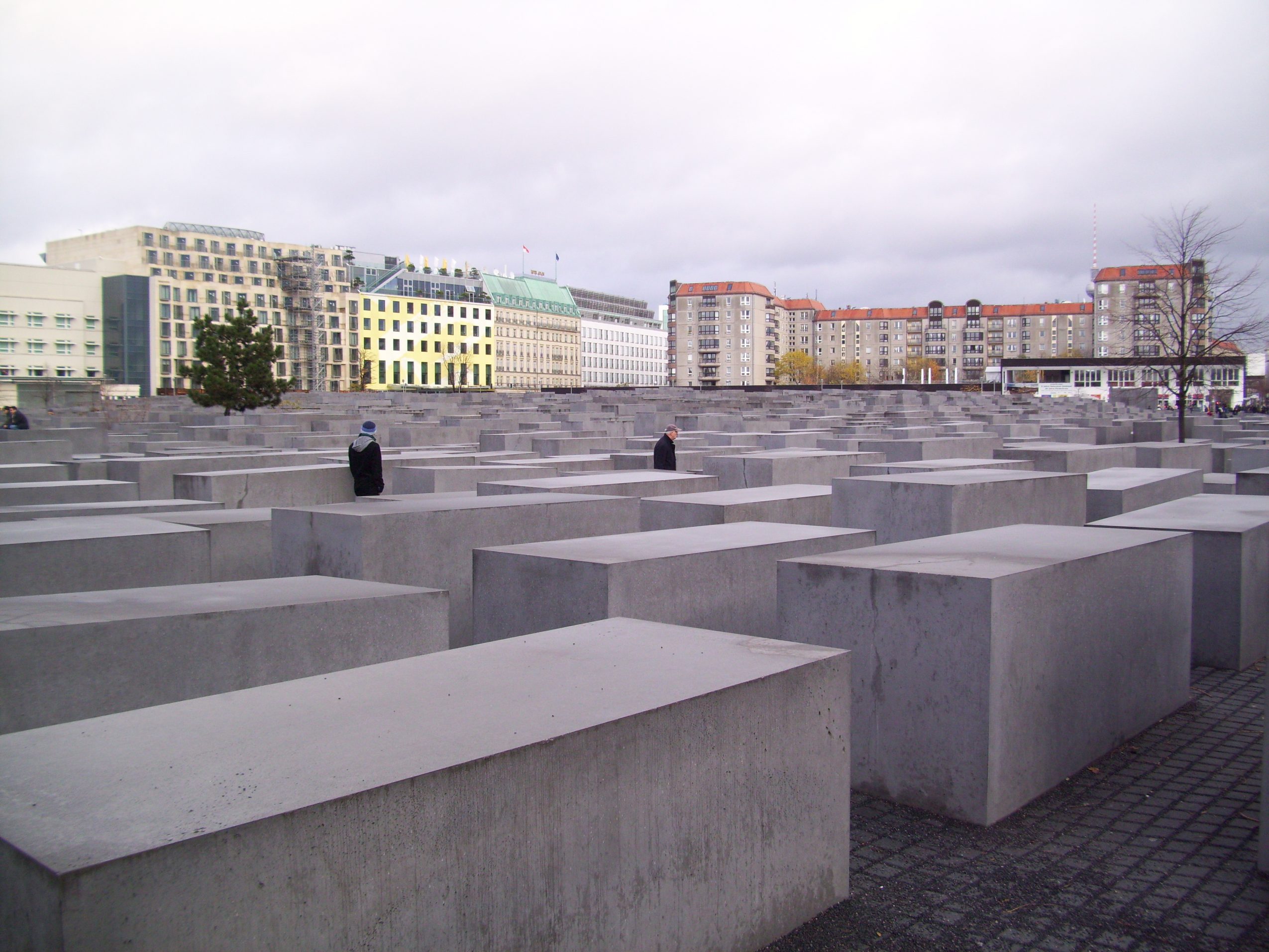
I made my way to the Memorial to the Murdered Jews of Europe, which you may have gathered, is a memorial to the Jewish victims of the Holocaust. The slightly long-winded title of the memorial may seem unnecessary, but it succeeds in making it clear that this is a place to remember and mourn the loss of the six million Jews that were killed between 1941 and 1945.
This is an important distinction, as the term Holocaust has sometimes been used to refer to the overall number of seventeen million people that were persecuted and murdered by the Nazis; including those killed because of their sexuality, mental illness, physical disability, political beliefs, religious affiliation or ethnicity. This has caused some debate, as some feel that the term should be reserved for the Jewish, who suffered losses that amount to genocide. Indeed, around two thirds of Europe’s Jewish population were systemically killed.
I had no idea what the memorial would look like, as I had not even been aware of its existence. I was surprised by what I saw when I arrived, as it did not look like the usual type of memorial. There was what appeared to be a maze made up of concrete slabs. In fact there were 2,711 of them in total. I tried to delve into my memory banks in order to figure out the significance of this number, but it turns out that it does not relate to anything in particular.
I walked around the grounds, navigating my way between the slabs and reflecting further on the horrors that were endured less than seventy years ago. The millions of civilians murdered by the Nazis are part of an even grimmer statistic. The resulting global warfare is estimated to have claimed the lives of between seventy and eighty-five million people, which was about three per cent of the entire world’s population.
Quite a few people were taking quirky pictures using the slabs to partially hide from sight whilst leaning out for the camera. I did not feel entirely comfortable with this, although I doubt that the people that had their lives taken away from them would begrudge others enjoying themselves and generally being happy.
The Reichstag
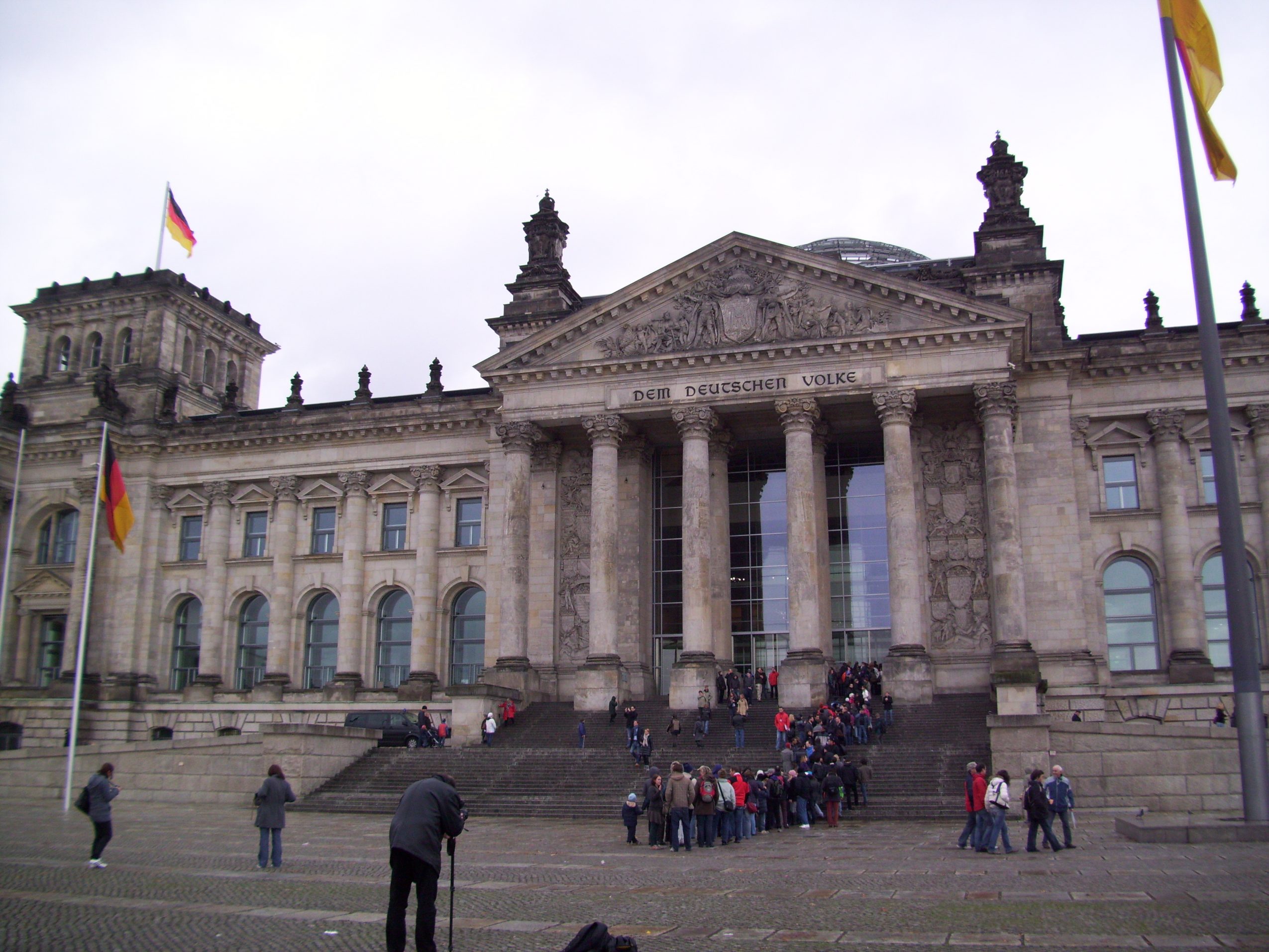
The Reichstag was nearby, so this was the natural choice for my next destination. The building was being photographed by a sea of tourists, who were keen to capture its famous glass dome in all its glory. It was built in 1894 and was used by the German Empire to hold the Imperial Diet. For the sake of ridiculousness, I was disappointed to learn that the Diet was a government assembly rather than a pre-war Slimming World group. The building is best known for a destructive and controversial event that happened nearly forty years after its construction.
The fire of 1933 caused significant damage, but the consequences of this stretched far beyond the building itself. Blame for this act of arson was quickly attributed to a Dutch communist named Marinus van der Lubbe. The Nazi Party, with the recently elected Chancellor Adolf Hitler, painted a picture of a wider communist threat against the nation and they used this as opportunity to clamp down on opposition voices.
The Reichstag Fire Decree allowed for the detention of anyone deemed to be a threat to the state. The lack of detail and guidance included in the legislation meant that the Nazis could imprison and silence their opponents. The Enabling Act was passed just a few weeks later, which meant that the Cabinet, and Hitler in particular, could enact laws without having to gain approval from the Reichstag. The aforementioned acts allowed the Nazis to establish a one-party totalitarian state.
When people talk about the importance of parliaments keeping presidents and prime ministers in check in order to prevent an individual or a party from having unbridled power, one only needs to look at this dark chapter of history to understand why. Likewise, press freedom and allowing opposition parties to be able to hold governments to account is acknowledged as a cornerstone of having an open and safe society.
This seems particularly important in recent years, as we seem to be in danger of repeating some of the mistakes of the past. Physical violence and intimidation directed at journalists and politicians is on the rise, with certain presidents regularly encouraging this behaviour from their supporters. When leaders try to bypass parliament in order to enact laws, the danger of such actions is evident for all to see. That is why we must never forget the darkest moments in our history. We learn from those events and vow to never let them occur again. At least, that is how it should work.
Parliamentary sessions were no longer held in the Reichstag Building following the fire and it remained that way until 1999. Some people believe that the Nazis started the fire themselves, but this cannot be proven. The only thing that we can be sure of is that they used the fire as an excuse to take away civil liberties and lay the groundwork for establishing a dictatorship.
‘Reichstag Fire’ has become a term that is used to refer to an attempt to damage political rivals or sections of society by blaming them for something bad that has happened; therefore, encouraging the general public to cast suspicion on their opponents. This is often aimed at seeking approval for a heavy-handed response. Once again, this seems relevant today, as so-called populist leaders try to play on their citizens’ fears.
Victory Over Fascism
Victory in Europe Day is known as Victory over Fascism Day in some countries. It is important to remember that it was a hateful ideology, rather than just a country, that was defeated 75 years ago.
Unfortunately, the same ideology is still in existence throughout the world. This is why it is so alarming to see the recent rise of the far-right, and those expressing hateful views based on religion, race, sexuality, gender and politics. We must learn from the lessons of the past.
My time in the German capital reinforced my belief that it is important to preserve the darkest chapters in mankind’s history. This is not to glorify these horrific events, but to ensure that we never allow anything similar to happen again.
The events leading up to the Second World War also underline why it is important that parliaments across the world ensure that no political party is allowed to have totalitarian power. People may get frustrated by the implementation of policies being held up by political debate in parliament, but the alternative is potentially far more dangerous.
0 Comments