


One Of The Most Beautiful Cities On Earth
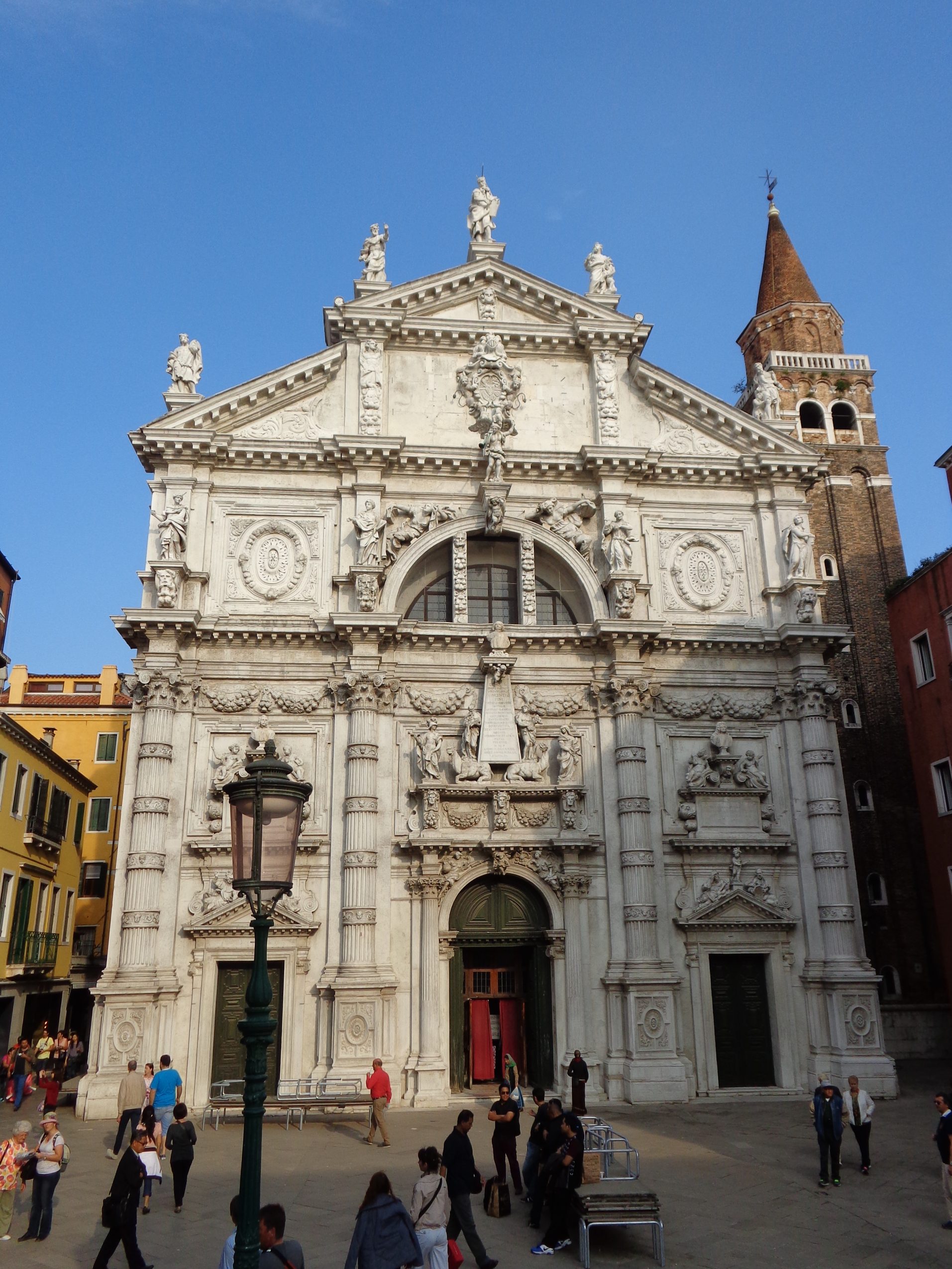
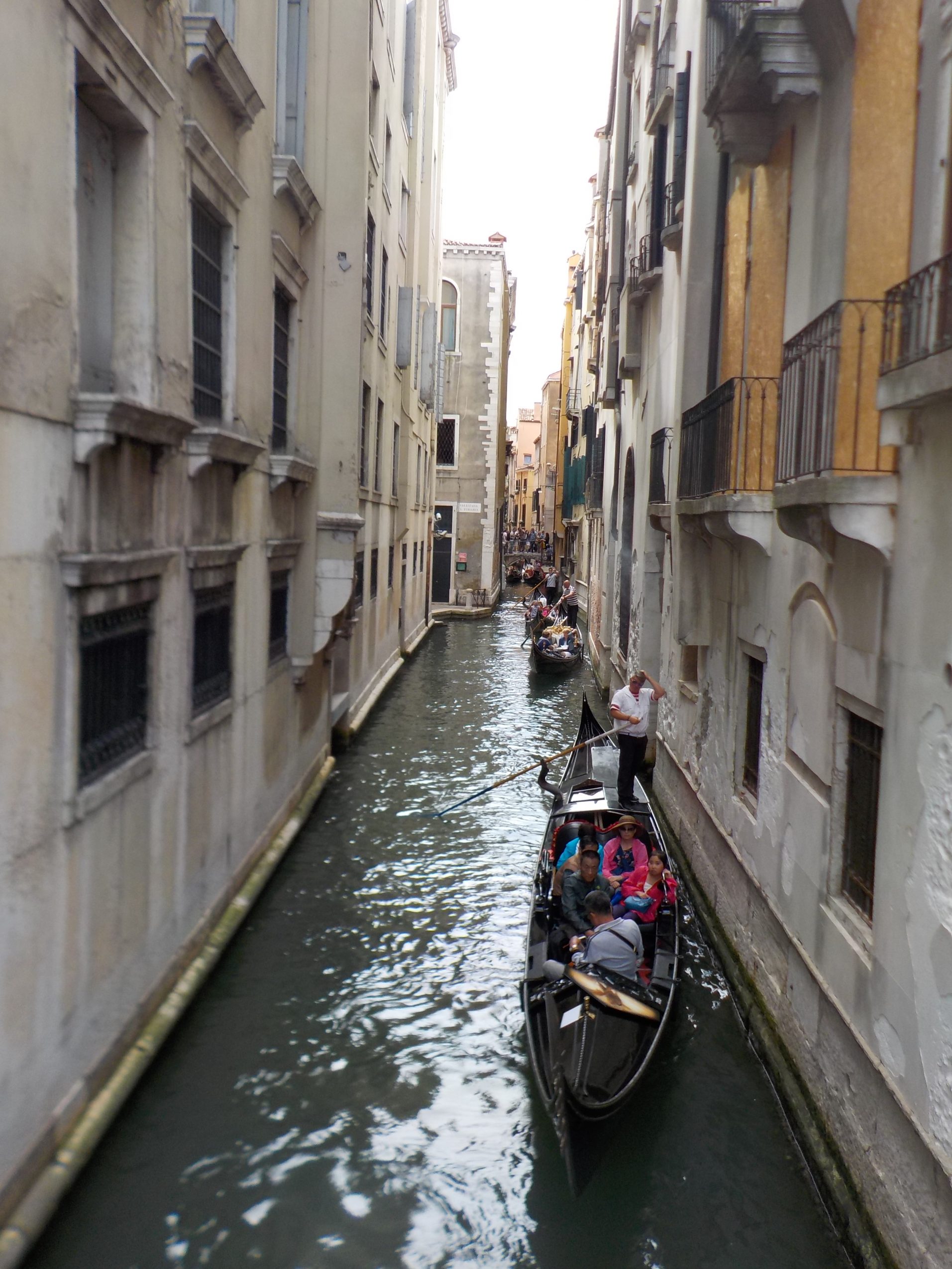
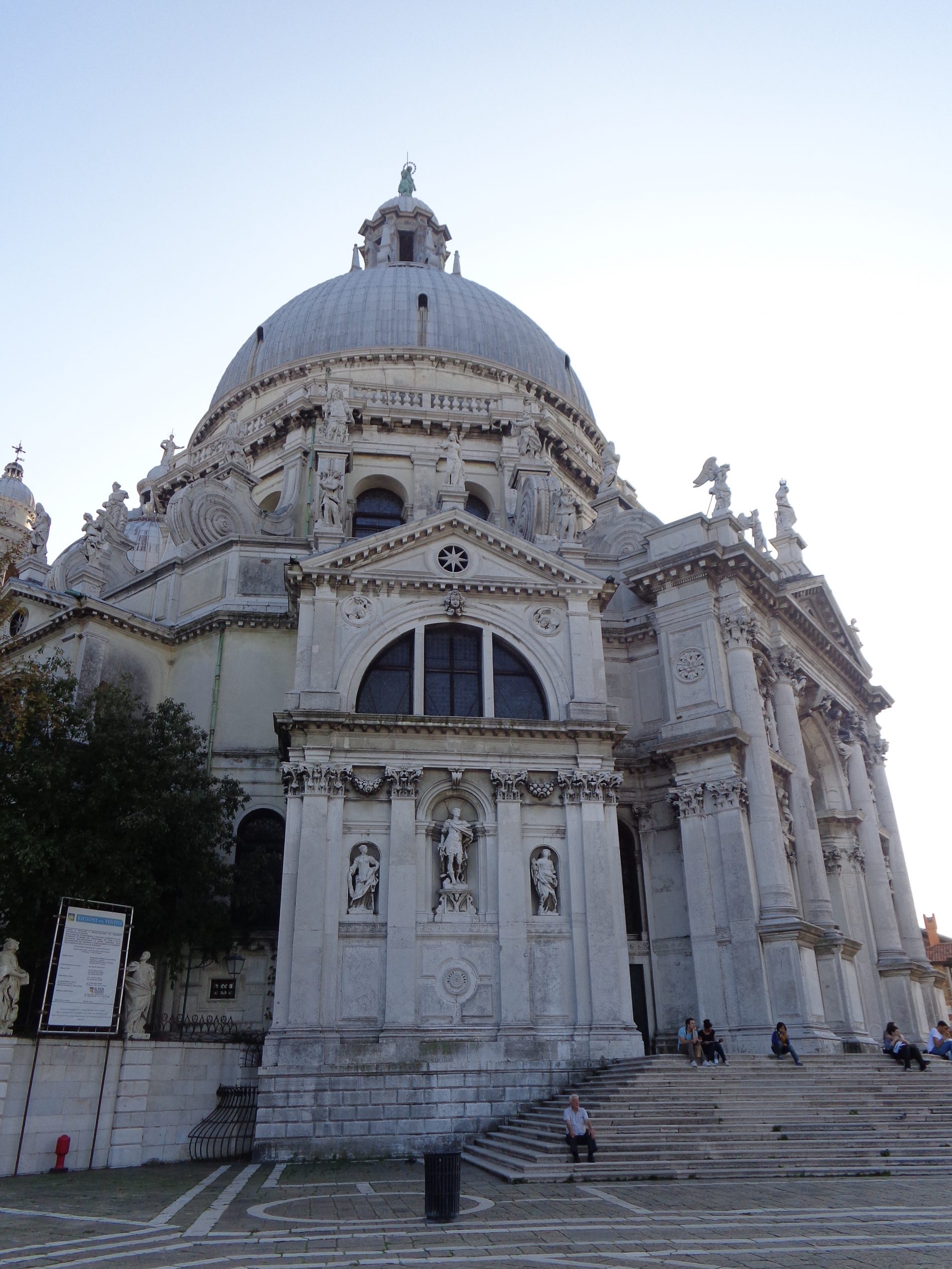
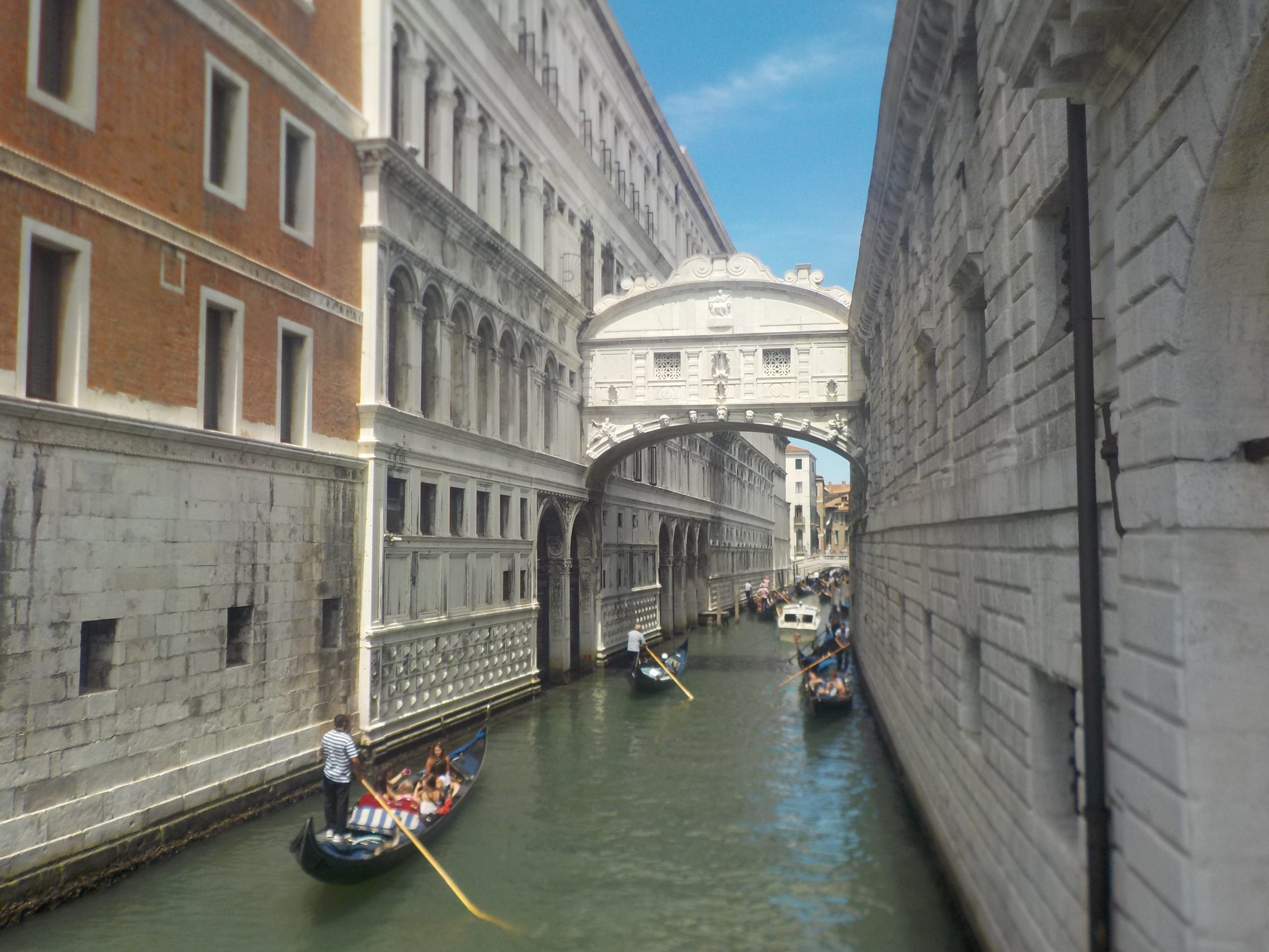
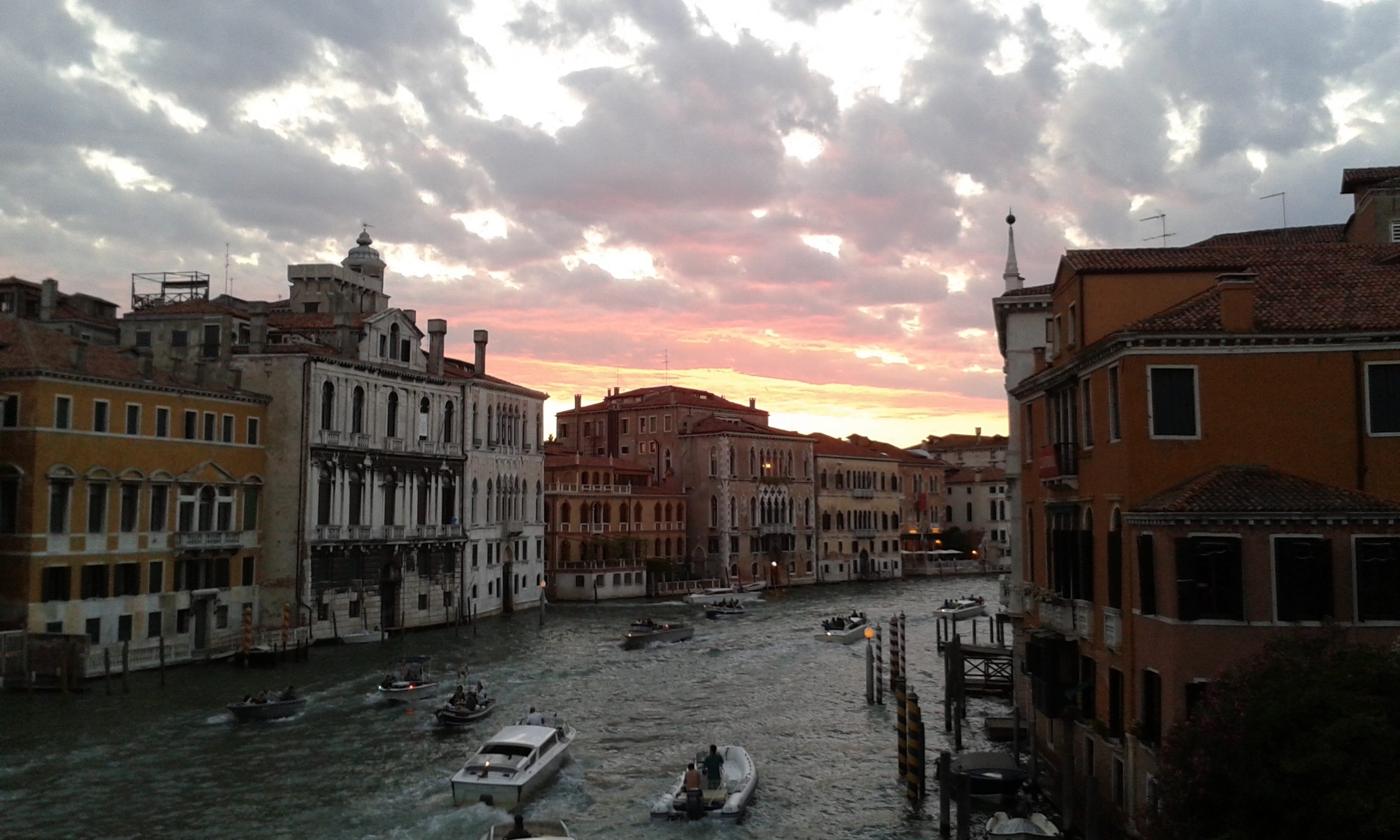
There are rare occasions in which one’s lofty expectations of a city are somehow exceeded by the reality of what they experience. Carol and I felt this way during our wonderful trip to this unique city in 2016. It may be one of the most tourist-centric places imaginable, but it is truly majestic. One can spend hours walking around and admiring the beauty of the canals, balconies and narrow passageways. Simple side streets are just as pleasing on the eye as the many historic buildings in Venice.
I found that the only unpleasant aspect was the sheer number of tourists that were crammed into such a small area. Given that we were part of the problem, I could hardly complain! In a bygone era, wealthy people were the only ones who could afford to travel on a regular basis. It appears that things have taken a turn for the worse since us riff-raff have taken to foreign shores!
People often ask me to pick my favourite place that I have visited during my travels around the world. This is obviously a difficult question to answer, but people are usually surprised to hear that Venice is one of the cities that I usually mention whilst discussing this topic. The high volume of tourists may be slightly unpleasant, but it reflects how beautiful the city is; huge crowds of people would not flock to it if it were dull and unimaginative. However, the sheer number of visitors causes numerous problems. We travel there to admire its magnificence, but by doing so, we are contributing to its decline.
Depopulation and a City Geared Towards Tourism
Whilst many people have expressed dissatisfaction about how most of the world’s cities have become overpopulated over the last half-century, Venice faces a different problem. The population has decreased severely over the years, dropping from 175,000 in the 1950s to around 55,000 today. It is estimated that this number decreases by around two thousand each year.
The average number of daily visitors is more than seventy thousand; therefore, Venetians are significantly outnumbered by tourists. The precarious task of balancing the economic benefits of tourism and the problems that this brings for locals now seems out of reach.
The city welcomes the money that tourists spend in the city, which is reflected by the number of shops and vendors that cater for visitors. Whilst this has helped many people make a living, the feeling is that things have gone too far. Souvenir shops and expensive restaurants occupy much of the limited space within the three square miles that form the city centre.
Venetians are not leaving the city simply because of its crowded streets and canals; it is also because of the other knock-on effects of mass tourism. The price of rental properties has rocketed in recent years, with locals having to compete with tourist accommodation. The increasing number of Airbnb properties was on course to reach ten thousand before COVID-19 intervened. Consequently, local people find it difficult to be able to afford to live here.
Astronomical living costs and an employment market that is almost entirely devoted to the tourism sector has resulted in a steady flow of young adults leaving the city. Living in such a wonderful place is not so much fun when you struggle to make a living and everything around you, including the price of goods and services, is geared towards tourists.
A dwindling and aging population that is outnumbered by temporary visitors is a sign that Venice is more like a museum than a living city. Tourists like me have arrived in large numbers to admire its beauty and heritage. It is ironic that by marvelling at its history, we are helping to destroy its future. Given that Venice was created by humans, it is perhaps fitting that human activity is leading to its demise.


An Architectural Masterpiece and a Rich History
The entire city is an architectural masterpiece. Built on a lagoon, every part of Venice took ingenuity to construct. Fragile areas of land were formed in the marshy lagoon but it was soon evident that the ground did not have strong enough foundations to support the buildings above.
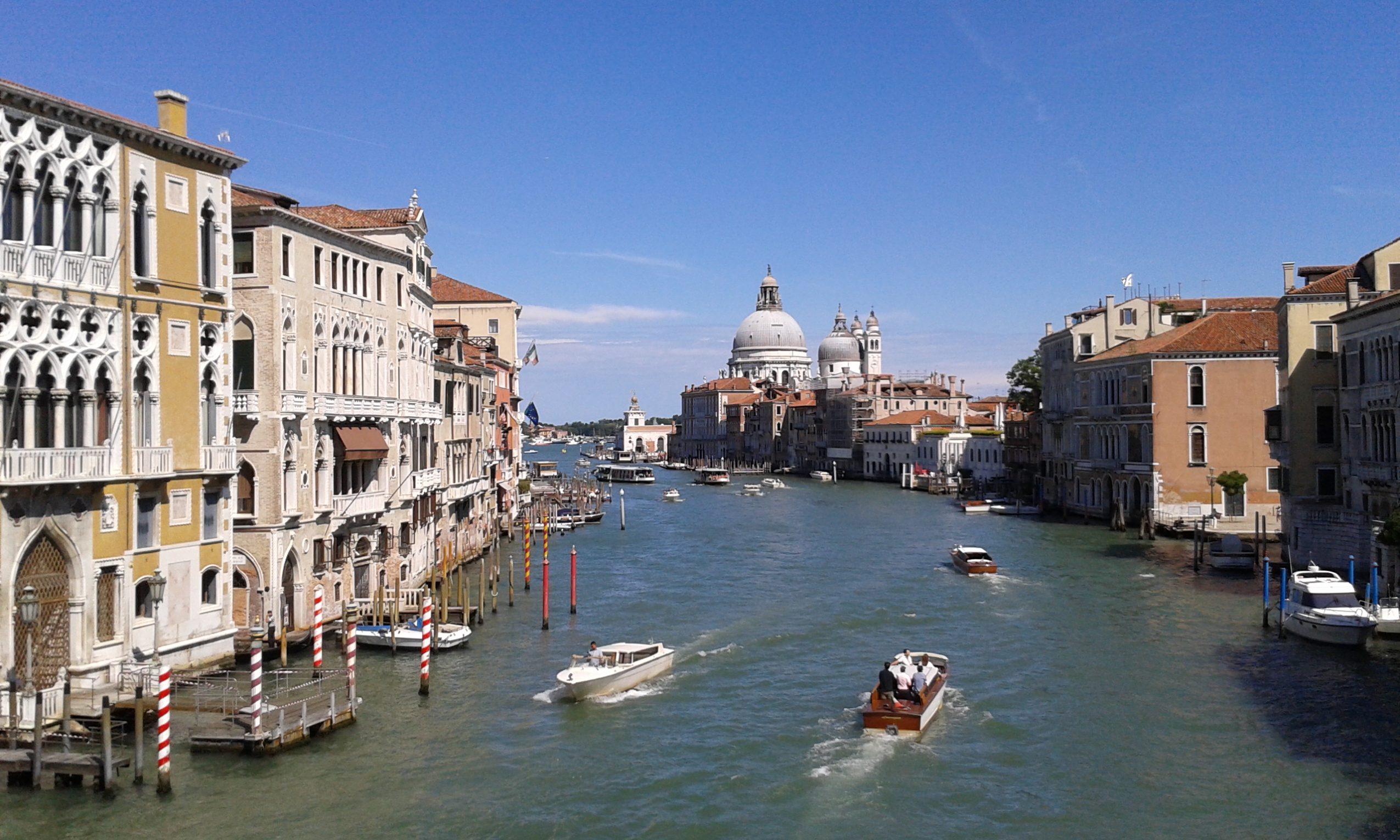
A series of canals were created and the banks were supported by wooden piles. It is remarkable that the thousands of wooden piles that were hammered deep into the ground beneath the lagoon to form the foundations, still hold up the buildings of Venice hundreds of years later. The wood did not rot as it was not exposed to air beneath water level and, crucially, the piles were placed as close together as possible. One hundred and eighteen small islands are connected by over four hundred bridges, most of which are delightfully picturesque.
The ingenuity of the city’s creation was once matched by its influential standing in the world. The Republic of Venice was a major financial and maritime power between the seventh and eighteenth centuries. It’s position on the Adriatic Sea allowed it become a key player in international trade. The Republic’s standing slowly declined and it eventually fell into the hands of the Austrians. Following a series of historical events, including the wars of independence against Austria, Venice was incorporated into the newly formed nation state of Italy.
The Elephant in the Room
Depopulation and mass tourism are also intertwined with another issue that is blighting the city; environmental concerns have become clear in recent times. The devastating floods of 1966 caused the initial exodus of citizens. Their homes were replaced by tourist accommodation, as the city capitalised on this lucrative sector.
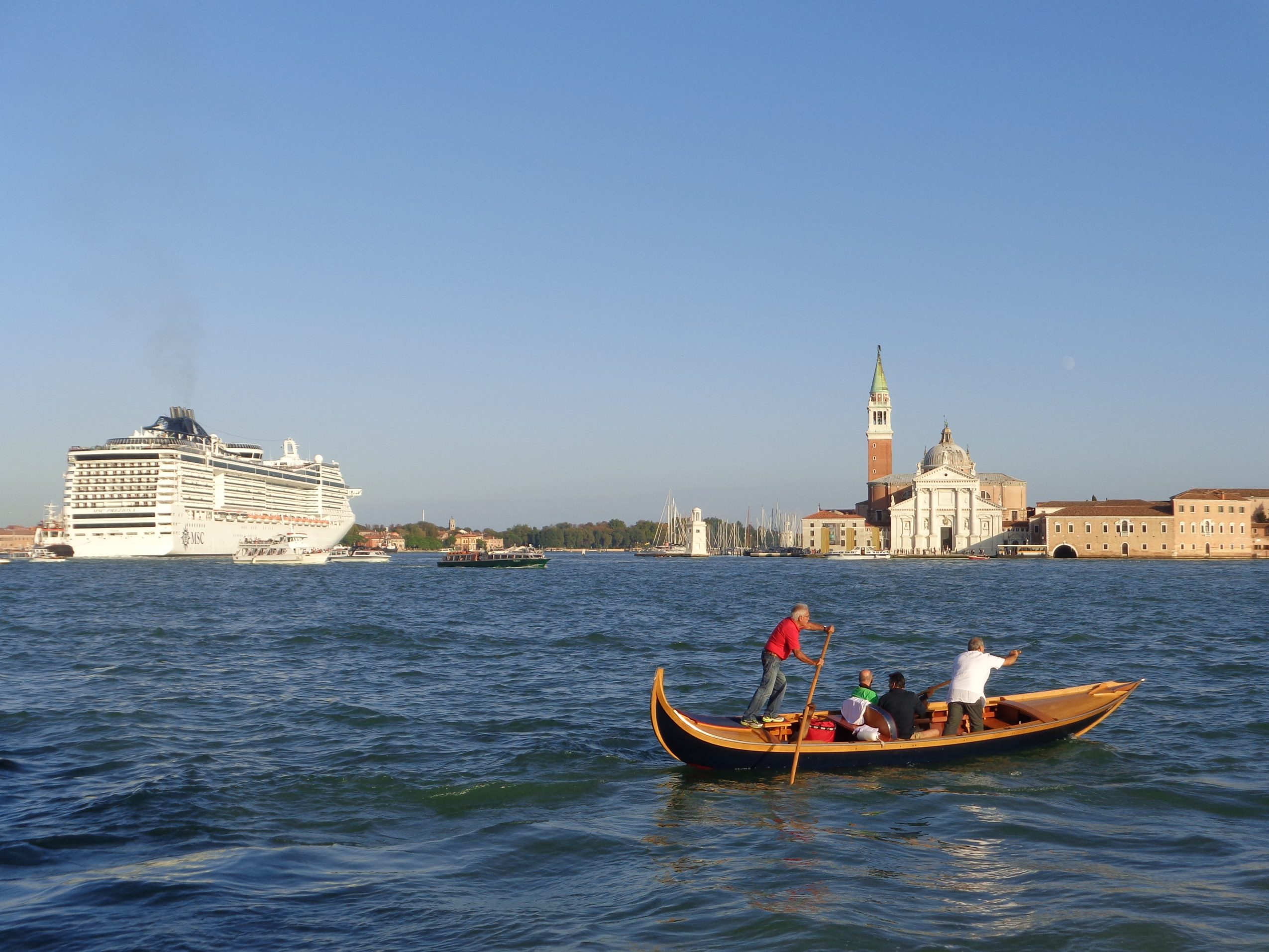
A large increase in tourists, gondolas and mammoth cruise ships has caused visible change, which is not surprising, given that the city was built upon a marshy lagoon. Floods were once regarded as a relatively rare event, but the phenomenon known as acqua alta is becoming more common and more severe. It was only a few months ago that flood levels almost reached the record that was set in 1966.
Rising sea levels are a clear sign of how human activity is damaging the planet. Plans to slow this down by building a series of dam barriers have been poorly implemented and attempts to limit the number of cruise ships allowed to dock near the city centre have faced opposition. The enforced pause in mass tourism that has been caused by COVID-19 has resulted in reports of clearer water in the canals of Venice and less air pollution. The streets are not as crowded either!
Cities such as Dubrovnik and Barcelona have also suffered from the effects of mass tourism. It is not surprising, as they are such beautiful places that people are understandably keen to visit. Of course, I have been guilty of contributing to this problem. When considering my love of travel, the issue of climate change is the elephant in the room. In my case, the elephant has been leaving a considerable carbon footprint.
0 Comments