


A Lesson in Fashion
I booked a tour of the UNESCO World Heritage Site of Carthage during our brief stay in Tunisia in 2013. The ancient city was destroyed and rebuilt several times as it changed hands between different empires during its long history, which dates back to the 9th century BC. Only ruins remain of this once affluent city that served as a major trading hub of the Mediterranean. After extensive archaeological work, the site has become a popular tourist attraction.
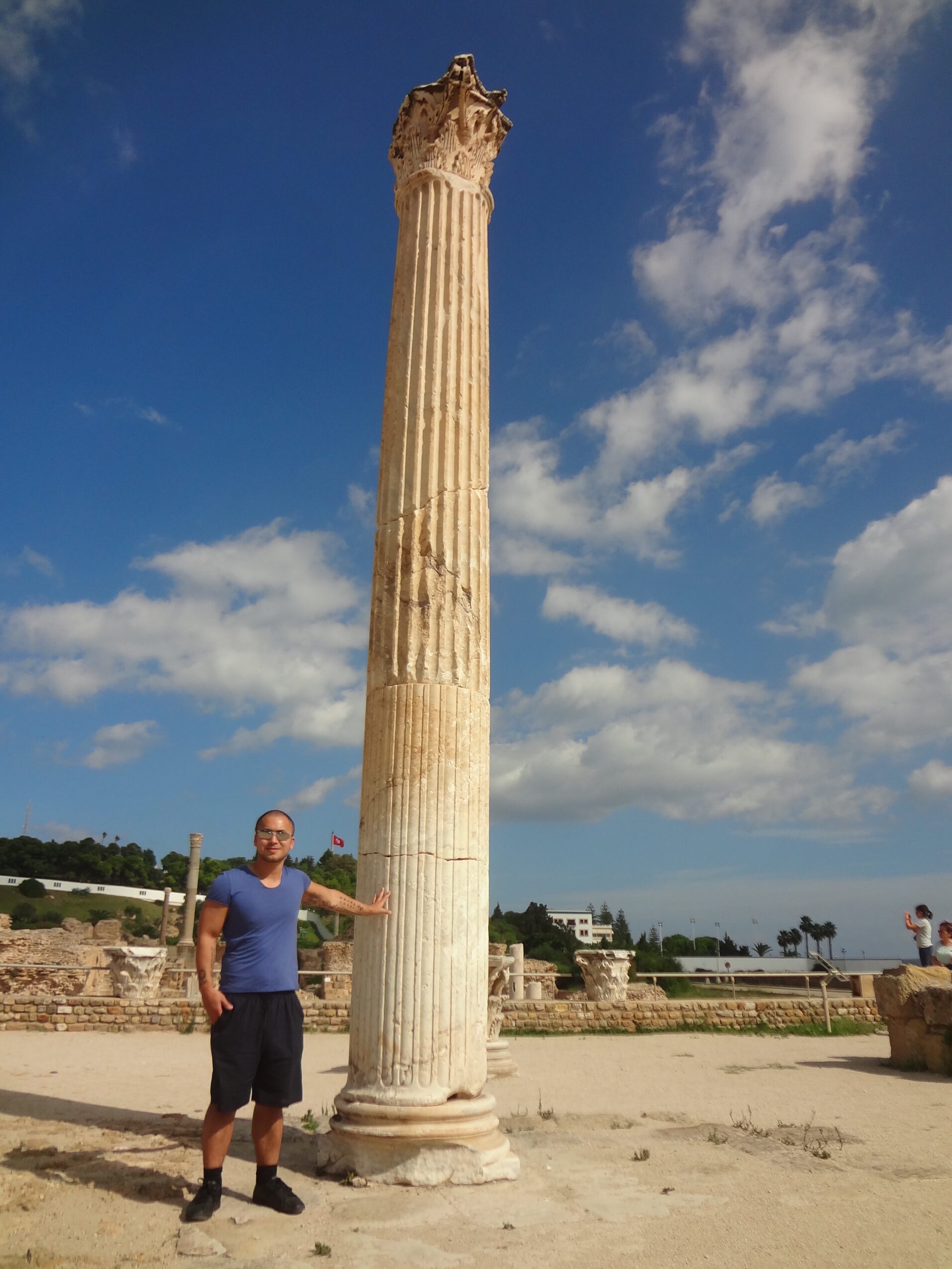
Although my knowledge of its history increased after our visit, there were a couple of other lessons learned that day. I had travelled to Tunisia with my mum, but it was the lady who would one day become my wife who gave me some much-needed advice after seeing my photographs: do not ever wear long black socks with black shoes and shorts! Carol was horrified at the sight of my choice of attire, which I had paid little attention to at the time. Thankfully, she was not put off by my fashion faux pas, and is now on hand to make sure no such mistakes are repeated. Carol will often say: “I’m not walking with you if you wear that!”
This is never mean-spirited, and it always makes us laugh hysterically!

A Lesson in the Kindness of Other Human Beings
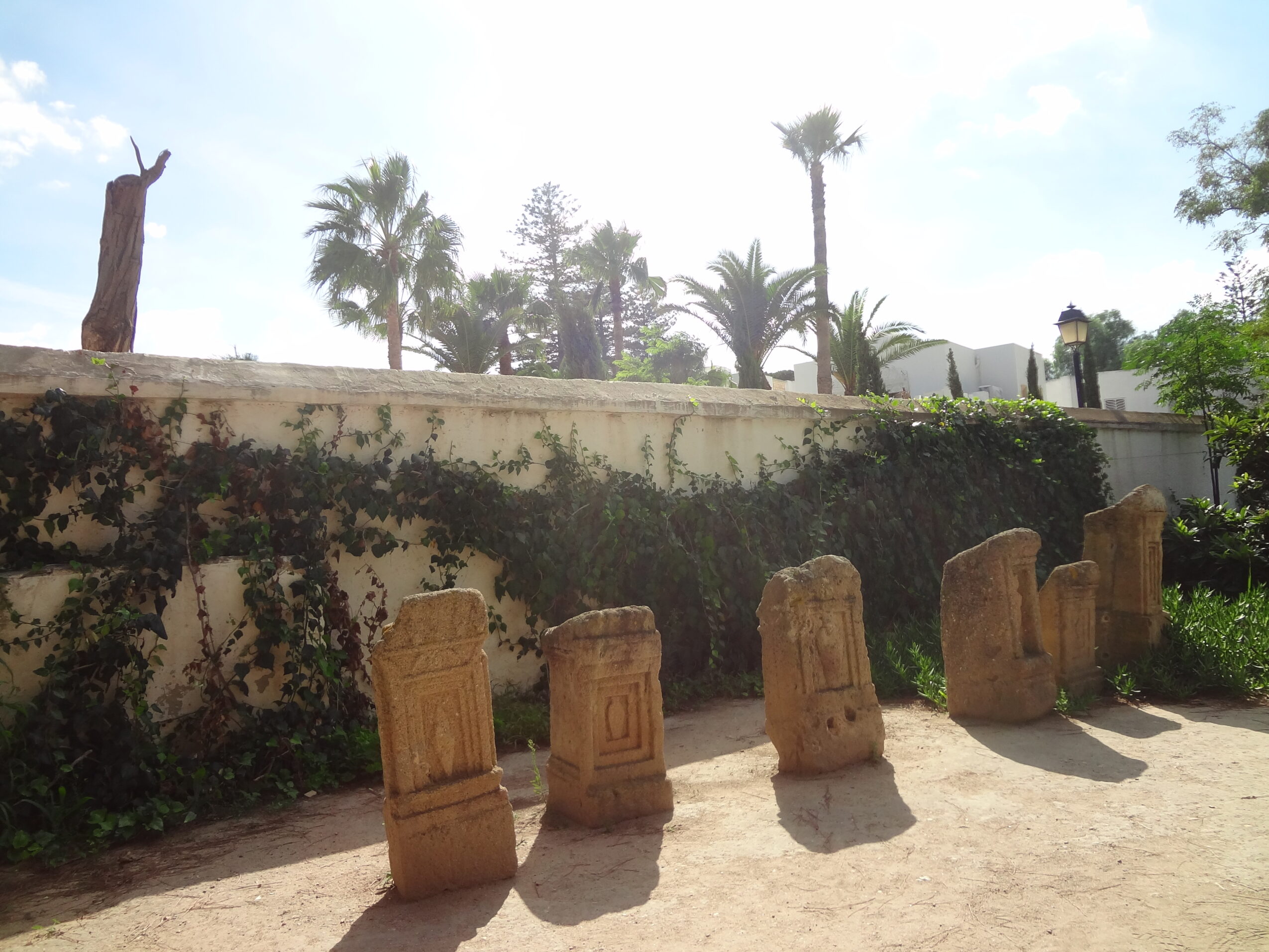
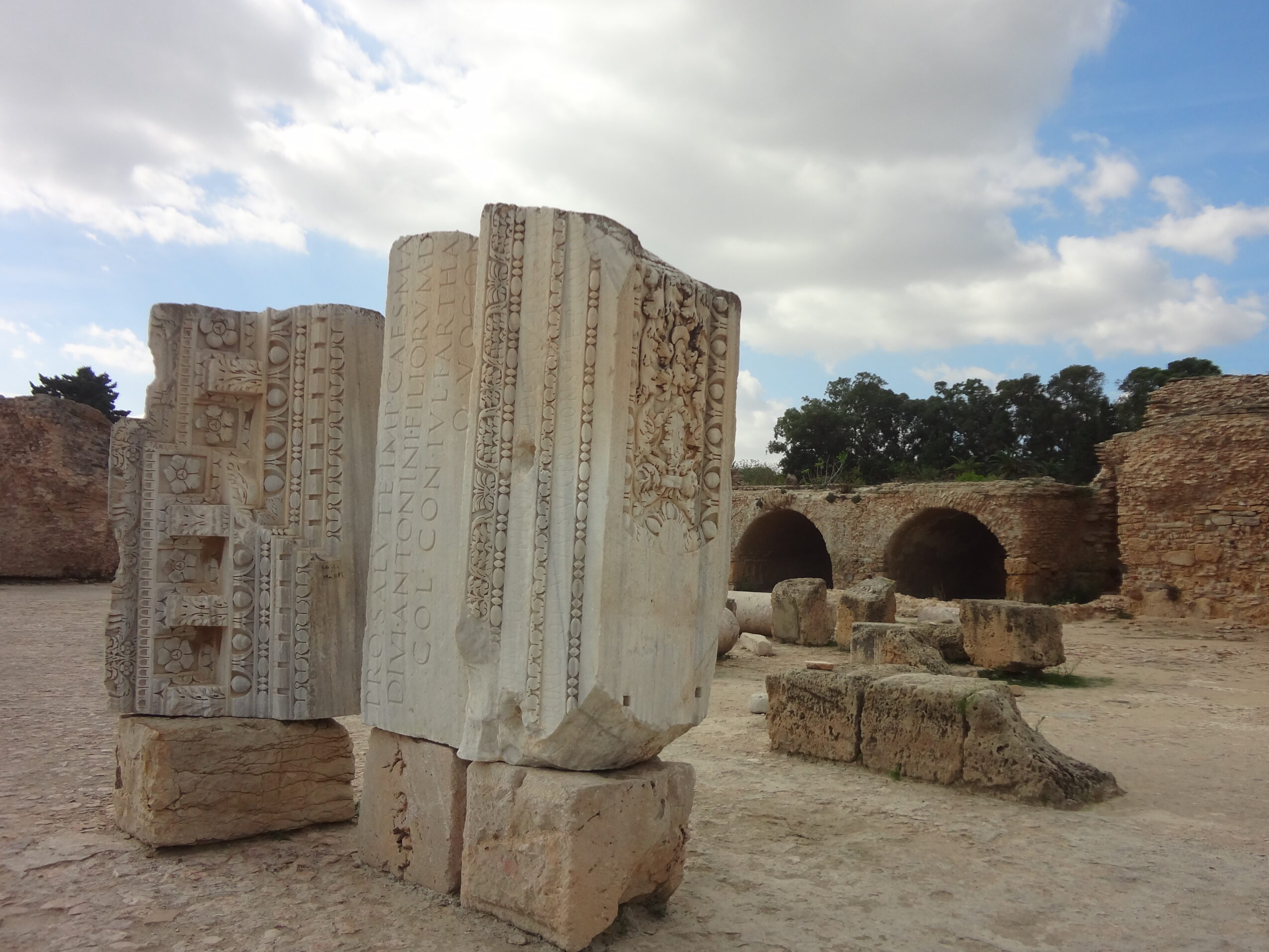
We thoroughly enjoyed the time we spent exploring Carthage. Imposing columns and the crumbling remains of various buildings provided the stimulus to imagine what the once prosperous city could have looked like all those centuries ago. Mum and I made the most of our free time at the end of the tour, taking lots of photographs and inspecting the ruins at close quarters. We could have spent longer there than our tour allowed for – which is exactly what happened.
“I can’t see anyone else from our group,” I said to Mum.
“We best head back to the meeting point. Where were we supposed to meet?”
“I think it was the the north side of the site. Or the south. Maybe it was the east or west. We’ll just head to the place where we arrived.”
After spending the next five minutes rushing around Carthage, we eventually located the correct meeting place. There was just one small problem: our coach had already departed. I am usually able to keep calm in stressful situations, but the thought of being stranded here, with no means of transport and very little money, was enough to send me into full-blown panic mode. I began walking along the car park hoping that our coach would magically reappear, but I was left disappointed.
“What are we going to do?” asked Mum, who looked as worried as I was.
“I don’t know. I hardly have any money on me and I am unsure if there is anyone we can phone. We’re going to be stuck here forever!”
My panic was being driven by the knowledge that we had not only been abandoned in a city of ruins, but we ran the risk of being left behind by our cruise ship. The prospect of a prolonged stay in an unfamiliar country was adversely affecting my ability to think straight. It also brought out the worst in me. A man who was sitting on a seemingly random stool by the entrance to the archaeological site had noticed our predicament.
“Your coach left five minutes ago. I will call the tour company for you.”
I instantly dismissed his kind offer as an attempt to either con us into paying an extortionate amount for a ride back to the port or a plan to kidnap us. He was not wearing any uniform or in possession of any items that suggested he was affiliated with the tour operator. He just appeared to be a random guy using his old Nokia to make a phone call. Still, my dismissive behaviour was not only rude, especially since it was our own fault that we had been left behind, but it was unhelpful to our plight. The man persisted until he had gained our attention and trust. Ten minutes later, another coach being operated by our tour operator arrived.
The stranger, whose name I do not even know, refused to accept any money for his act of kindness: “I just wanted to help you. I did not do it for money.”
This taught me the most important lesson of the day: believe in the kindness of others and do not make negative assumptions. In a world where stereotypes of homeless people and refugees are often perpetuated, leading to them being dehumanised, I have learned to give people every opportunity to make a positive impression and to avoid jumping to conclusions.
Sidi Bou Said
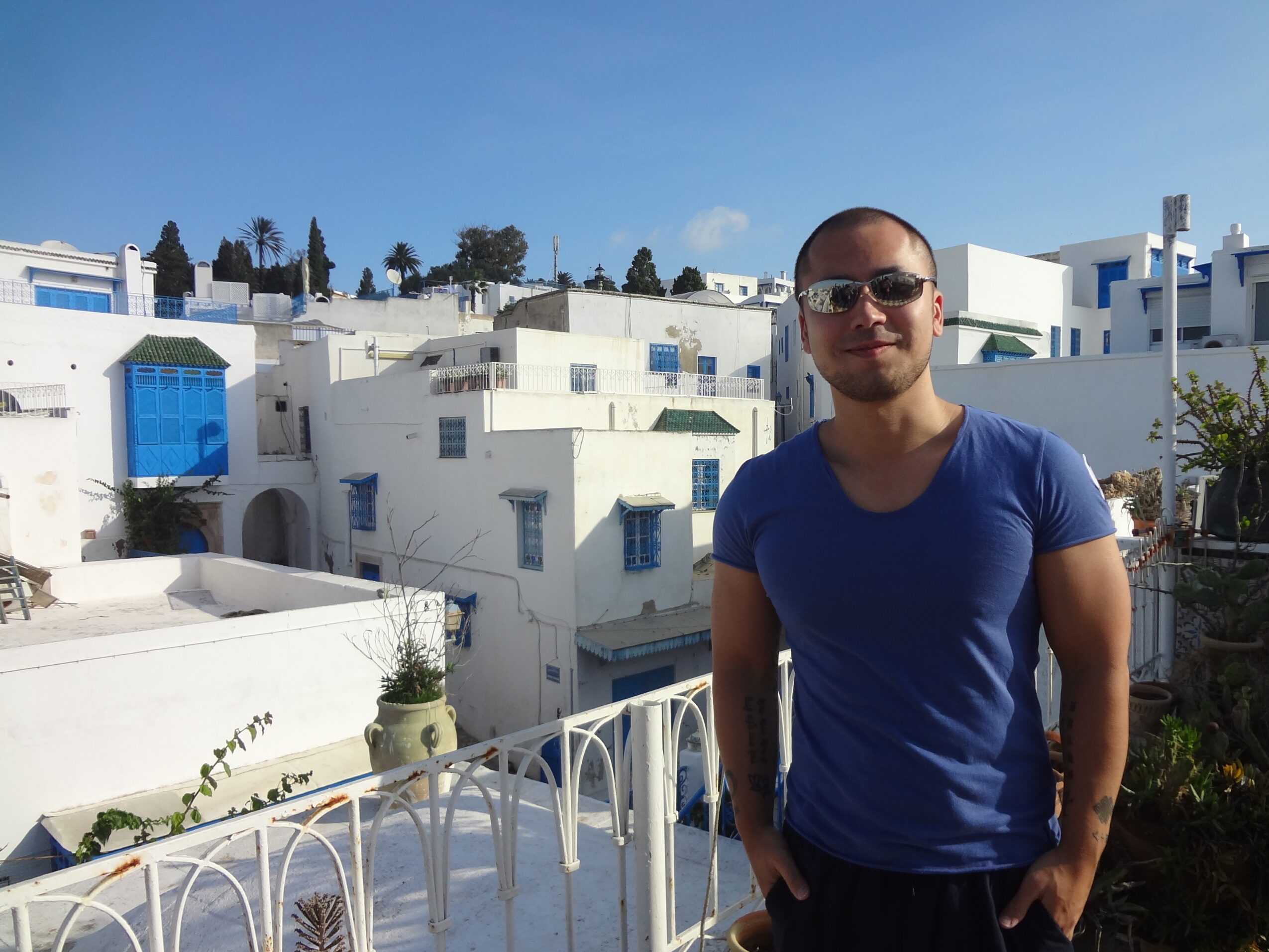
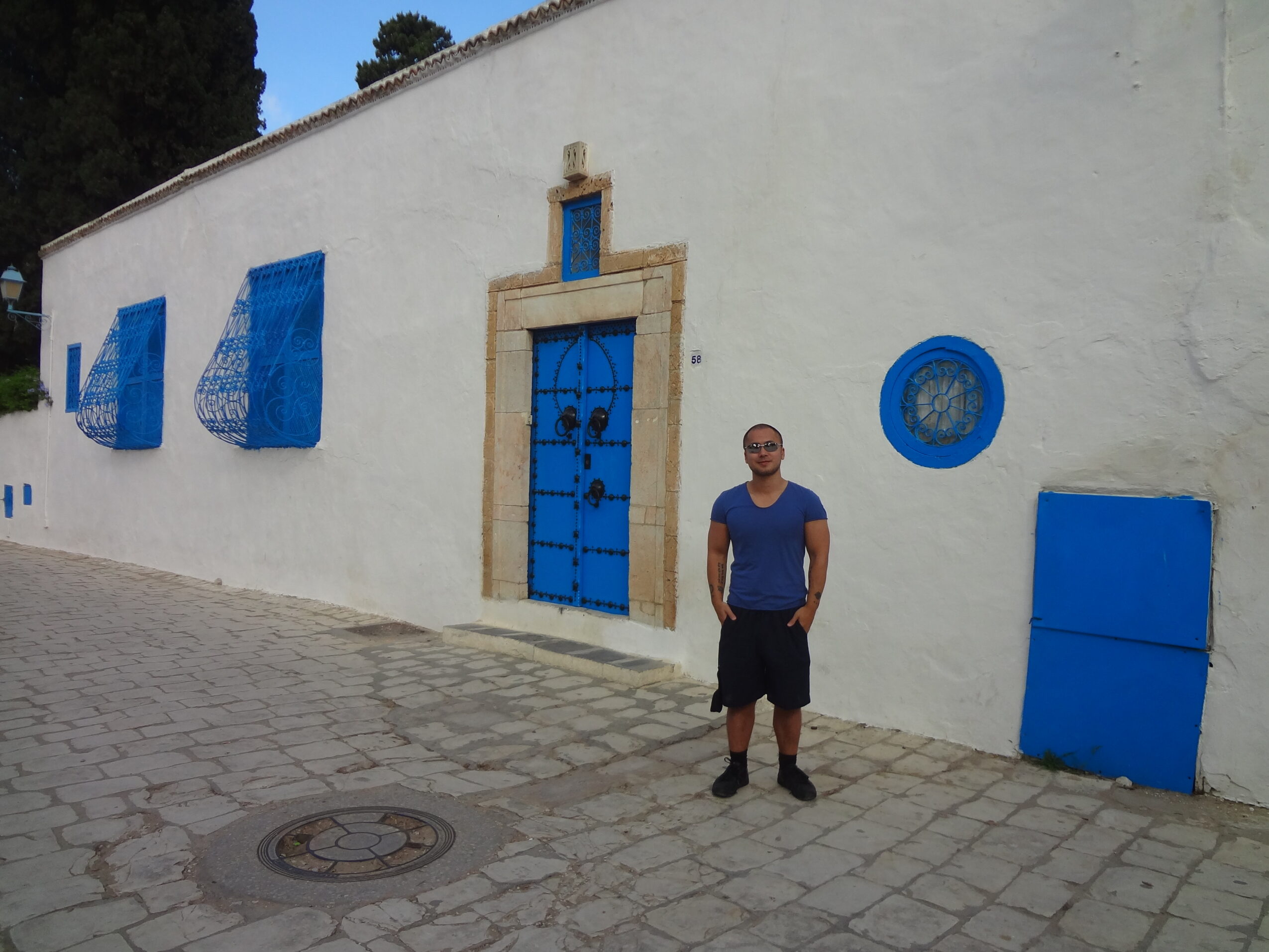
We also had the pleasure of visiting Sidi Bou Said during our time in Tunisia. The clifftop location of the whitewashed houses, which nearly all have blue doors and decorative features, provides a spectacular setting for this charming village. There is even access to a beach and a marina below, although we did not have time to explore either.
Our time in Tunisia was thoroughly enjoyable, albeit somewhat stressful at times! Not only were we treated to the history and beauty of the places that we visited, but we were also shown kindness, even if we did not necessarily deserve this.
0 Comments